


In today’s digital world, cloud storage platforms have become essential tools for personal and professional use. Among the most widely used services is Dropbox, a platform known for secure file storage, synchronization, and collaboration. However, like any online system, users may occasionally encounter unusual alerts, verification notices, or technical identifiers such as “message code dropbox 8737.idj.029.22.”
If you have seen this message code in an email, pop-up, system notification, or log file, you might be wondering:
- What does it mean?
- Is it an error or a security warning?
- Could it be related to a scam or phishing attempt?
- How should you respond safely?
This detailed guide explains everything you need to know about message code dropbox 8737.idj.029.22, including possible causes, security implications, troubleshooting steps, and preventive measures.
Understanding Message Code Dropbox 8737.idj.029.22
The phrase “message code dropbox 8737.idj.029.22” appears structured like a system-generated identifier. Typically, such codes are used for:
- Internal system tracking
- Authentication verification
- Error logging
- Security alerts
- Temporary access validation
Cloud platforms often generate unique alphanumeric identifiers to trace specific events. However, it is important to determine whether this code originates from an official Dropbox system or from an external malicious source pretending to be legitimate.
Is Message Code Dropbox 8737.idj.029.22 an Official Dropbox Error?
There is no publicly documented error format that exactly matches “8737.idj.029.22” as a standard Dropbox error. Official system messages usually follow structured help documentation or clear error descriptions.
This means one of the following is possible:
- It is an internal tracking code shown during a system process.
- It is part of a temporary verification or session identifier.
- It may be included in phishing emails designed to appear technical.
- It could be linked to third-party integrations or automated scripts.
Because the code format is unusual, caution is strongly recommended before interacting with any link or instruction associated with it.
Common Scenarios Where You Might See This Code
1. Email Security Notification
You might receive an email claiming:
- Suspicious login attempt detected
- File access verification required
- Account temporarily restricted
- Storage limit exceeded
The message may contain the phrase message code dropbox 8737.idj.029.22 to appear official.
⚠ If the email urges immediate action, especially clicking a link, be cautious.
2. Browser Pop-Up Message
Some users report seeing technical codes inside pop-ups when:
- Logging into their account
- Sharing files
- Installing extensions
- Using third-party integrations
In such cases, the code could be a temporary session identifier.
3. Suspicious SMS or Text Message
Cybercriminals often send text messages claiming:
“Your Dropbox account has been flagged. Use code 8737.idj.029.22 to verify.”
This is likely a phishing attempt.
4. App or API Integration Error
If you are using Dropbox API integration or third-party apps, the code might be generated as part of:
- Authentication token mismatch
- Expired session
- Corrupt request
- API version conflict
Could Message Code Dropbox 8737.idj.029.22 Be a Scam?
Yes, it could be.
Phishing attackers often use:
- Random alphanumeric codes
- Urgency-based language
- Official logos
- Fake login portals
Their goal is to make the message appear technical and authentic.
Red Flags to Watch For
- Misspelled email address domain
- Suspicious links (not dropbox.com)
- Urgent deadlines
- Requests for passwords
- Requests for payment
- Attachment downloads
Never enter your credentials through a link received via email unless you are certain it is legitimate.
How to Verify If the Message Code Is Legitimate
Follow these safe verification steps:
Step 1: Do Not Click Suspicious Links
Avoid clicking any links inside emails or messages referencing message code dropbox 8737.idj.029.22.
Step 2: Open Dropbox Manually
Type the official website directly into your browser.
Step 3: Check Account Notifications
After logging in, check:
- Security alerts
- Login history
- Device activity
- Recent changes
If the issue is real, it will appear in your account dashboard.
Step 4: Contact Official Support
Use the support page inside your account rather than replying to emails.
Possible Technical Causes
If the message is legitimate, here are potential technical reasons:
1. Expired Login Session
Sessions expire for security reasons.
2. Suspicious Login Detection
New device or unusual location login attempt.
3. Corrupted Cache
Browser cache may interfere with login authentication.
4. Third-Party App Authorization Error
Revoked or expired API token.
5. Network Security Filter
Firewall or VPN interference.
How to Fix Message Code Dropbox 8737.idj.029.22
Clear Browser Cache and Cookies
- Open browser settings
- Clear cache and cookies
- Restart browser
Update Dropbox App
Ensure you are using the latest version.
Disable VPN Temporarily
VPN location changes may trigger security alerts.
Reauthorize Third-Party Apps
Go to account settings → Connected Apps → Remove and reconnect.
Reset Your Password
If suspicious activity is suspected:
- Change password immediately
- Enable two-factor authentication
Security Best Practices for Dropbox Users
Using cloud storage safely requires proactive measures.
Enable Two-Factor Authentication (2FA)
This adds a second layer of security beyond your password.
Use Strong Passwords
Avoid reused passwords across multiple platforms.
Monitor Account Activity
Check login history regularly.
Avoid Public Wi-Fi Logins
Use secure connections whenever possible.
Recognize Phishing Patterns
Cybercriminals rely on fear and urgency.
Why Attackers Use Technical Codes in Scams
Including technical identifiers like message code dropbox 8737.idj.029.22 makes phishing attempts appear:
- Automated
- System-generated
- Authentic
- Official
Many users trust messages that look technical.
What to Do If You Clicked a Suspicious Link
If you interacted with a suspicious message:
- Disconnect from the internet temporarily.
- Change your Dropbox password immediately.
- Change passwords for other accounts using the same password.
- Enable two-factor authentication.
- Run antivirus and malware scans.
- Review account activity.
Acting quickly can prevent unauthorized access.
Dropbox Account Recovery Process
If your account was compromised:
- Visit the official password reset page
- Follow identity verification instructions
- Review connected devices
- Remove unknown sessions
- Contact official support if needed
Difference Between System Codes and Phishing Codes
| Feature | Legitimate Code | Phishing Code |
|---|---|---|
| Appears inside official dashboard | Yes | No |
| Sent from verified domain | Yes | Often no |
| Requests password via email | Never | Often yes |
| Urgent scare tactics | Rare | Common |
| Leads to official website | Yes | Fake domain |
Understanding this difference protects your data.
Frequently Asked Questions
Is message code dropbox 8737.idj.029.22 a virus?
Not necessarily. It could be harmless, but if delivered through suspicious channels, treat it cautiously.
Should I reply to the email?
No. Never reply to suspicious verification emails.
Can this code lock my account?
Only official system alerts inside your account dashboard can affect access.
Is my data at risk?
Only if you share credentials or click malicious links.
The Importance of Cloud Storage Security
Cloud platforms store:
- Personal photos
- Business contracts
- Financial documents
- Academic research
- Private information
Security awareness is critical.
Dropbox invests heavily in encryption and infrastructure security, but user behavior also plays a major role.
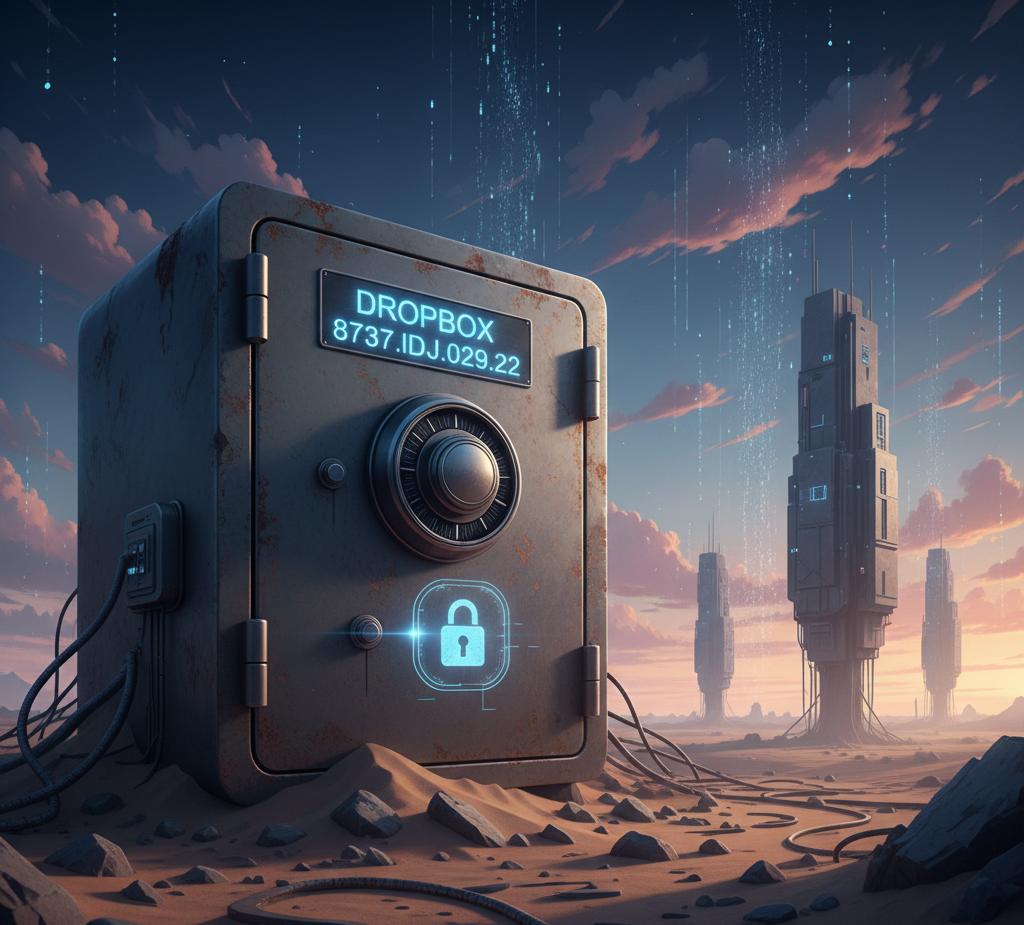
Final Thoughts on Message Code Dropbox 8737.idj.029.22
Seeing an unfamiliar technical identifier like message code dropbox 8737.idj.029.22 can be confusing. While it may be a harmless internal system reference, it could also be part of a phishing attempt designed to trick users
