


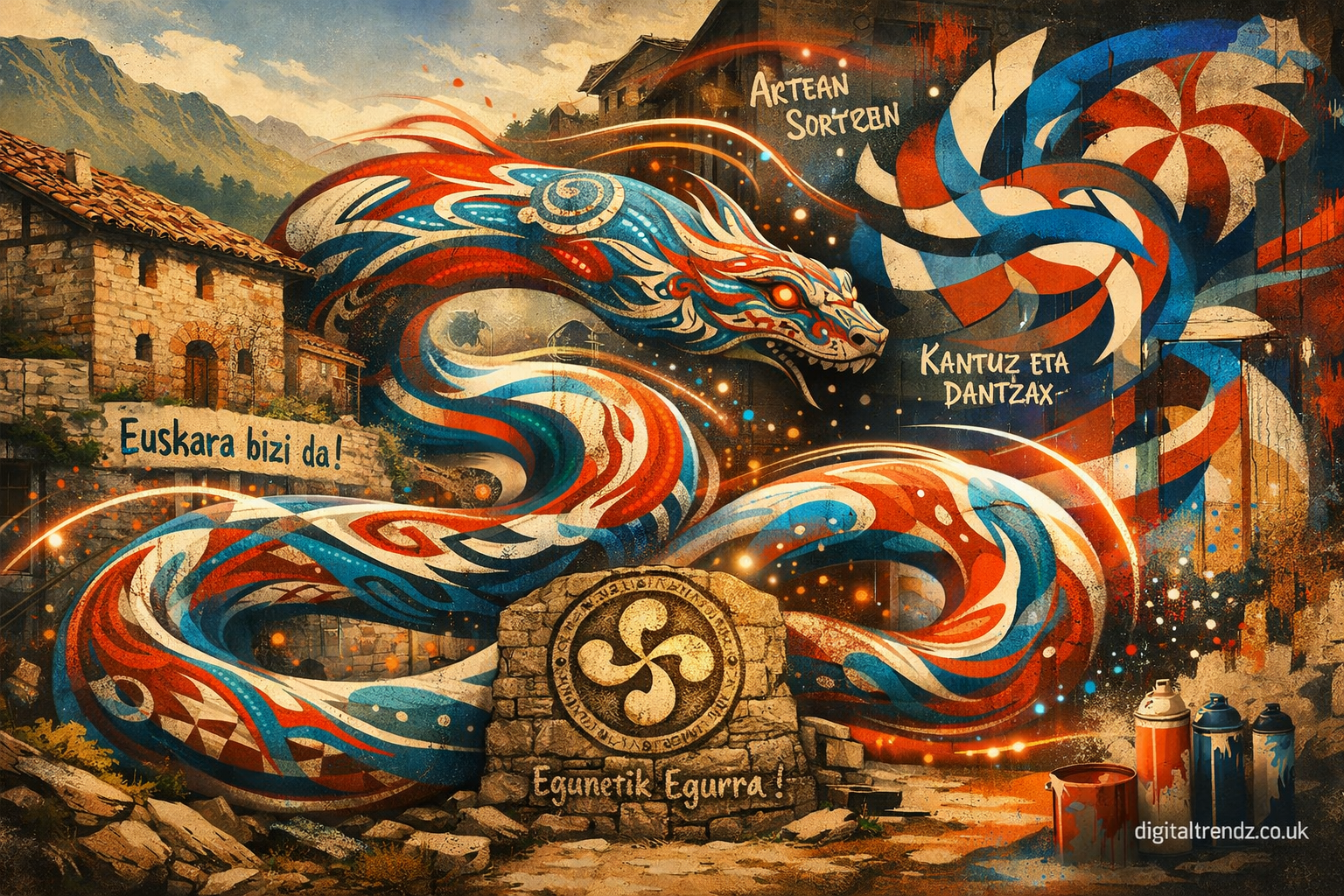
Basqueserpartists: A Deep Exploration of Culture, Identity, and Modern Artistic Expression
Understanding the Concept of Basqueserpartists
The concept of basqueserpartists has emerged as a fascinating blend of cultural identity, symbolic art, and modern creative expression. Although the term itself is not formally defined in academic literature, it has gained traction online as a representation of artists and thinkers who explore Basque heritage through abstract and symbolic forms. It combines elements of cultural preservation with artistic experimentation, making it both a creative identity and a conceptual movement.
At its core, basqueserpartists represents individuals who use art to communicate deeper meanings related to identity, history, and belonging. The term appears to merge ideas of “Basque,” “serpent symbolism,” and “artists,” suggesting a layered interpretation of culture and transformation. This unique combination allows for a flexible and evolving definition, which is one of the reasons it continues to grow in relevance within creative communities.
The Cultural Roots of the Basque Identity
To fully grasp the essence of basqueserpartists, it is essential to understand the cultural background of the Basque people. The Basque region, situated between Spain and France, is known for its distinct language, traditions, and historical independence. Euskara, the Basque language, is one of the oldest in Europe and has no direct relation to other languages, making it a powerful symbol of identity and uniqueness.
This deep-rooted cultural heritage plays a central role in shaping artistic expression. Basque traditions include folklore, music, dance, and storytelling, all of which emphasize community and continuity. Artists influenced by this heritage often draw from these elements to create works that reflect both personal and collective identity. In this way, basqueserpartists becomes a modern extension of ancient cultural practices.
Historical Influences on Artistic Expression
The history of the Basque people has significantly influenced the development of artistic expression associated with basqueserpartists. Throughout the 20th century, periods of political tension and cultural suppression limited the public use of Basque language and traditions. During these times, art became a subtle yet powerful way to preserve identity and communicate resistance.
Artists turned to symbolism, metaphor, and abstraction to express ideas that could not be openly discussed. This shift from direct expression to symbolic representation laid the foundation for what we now understand as basqueserpartists. The use of hidden meanings and layered imagery allowed artists to maintain cultural continuity while navigating restrictive environments.
Symbolism and the Power of the Serpent Motif
A defining feature of basqueserpartists is the use of symbolic imagery, particularly the serpent. In Basque mythology, serpent-like creatures are often associated with transformation, strength, and renewal. Unlike the negative connotations found in some other cultures, the serpent in Basque tradition can represent protection and continuity.
Artists incorporate serpent imagery as a metaphor for cultural resilience and evolution. The flowing, cyclical nature of the serpent reflects how identity is not static but constantly adapting. This symbolism resonates deeply within the concept of basqueserpartists, as it captures the balance between preserving tradition and embracing change.
The Evolution into a Modern Artistic Movement
In recent years, basqueserpartists has evolved into a broader artistic movement that extends beyond traditional forms. Contemporary artists working within this concept experiment with various mediums, including digital art, installations, performance, and multimedia projects. This expansion reflects the adaptability of the idea and its relevance in the modern creative landscape.
The movement emphasizes authenticity and emotional depth rather than commercial appeal. Artists aim to create meaningful work that connects with audiences on a personal level. By blending traditional Basque elements with modern techniques, basqueserpartists artists are redefining how cultural identity can be expressed in today’s world.
Digital Transformation and Global Reach
The rise of digital platforms has played a crucial role in the انتشار and recognition of basqueserpartists. Social media, online galleries, and virtual exhibitions have enabled artists to share their work with a global audience. This increased visibility has helped the concept gain traction beyond its regional origins.
Digital tools have also expanded the possibilities for artistic expression. Artists can now experiment with animation, virtual reality, and interactive designs, creating immersive experiences that were not possible before. This fusion of technology and tradition is a key characteristic of modern basqueserpartists, highlighting its dynamic and forward-thinking nature.
Themes of Identity, Memory, and Belonging
The work associated with basqueserpartists often explores universal themes such as identity, memory, and belonging. These themes are deeply rooted in the Basque experience but resonate with audiences worldwide. Artists use their work to reflect on personal histories, cultural connections, and the complexities of modern life.
Memory plays a particularly important role, as it connects past experiences with present realities. Through symbolic imagery and narrative elements, artists create works that evoke emotion and provoke thought. This focus on storytelling and introspection adds depth and meaning to the concept of basqueserpartists.
Cultural Preservation in a Changing World
One of the most important aspects of basqueserpartists is its role in preserving cultural heritage. In a rapidly globalizing world, many unique traditions and identities face the risk of being lost. Artistic movements like basqueserpartists provide a way to maintain these traditions while adapting to contemporary contexts.
By incorporating traditional symbols, language, and stories into modern art forms, artists ensure that their cultural heritage remains relevant and accessible. This approach not only preserves the past but also allows it to evolve, creating a living and dynamic cultural identity.
Challenges and Interpretations of the Concept
Despite its growing popularity, basqueserpartists is not without its challenges. The lack of a clear, formal definition can lead to different interpretations, which may cause confusion or debate. Some view it as a genuine artistic movement, while others see it as a conceptual or digital trend.
However, this ambiguity can also be seen as a strength. It allows for flexibility and creativity, enabling artists to interpret the concept in their own unique ways. This openness encourages innovation and ensures that basqueserpartists remains a dynamic and evolving idea rather than a rigid framework.
The Future of Basqueserpartists in Art and Society
Looking ahead, the future of basqueserpartists appears promising as it continues to evolve alongside technological and cultural changes. As more artists engage with the concept, it is likely to expand and diversify, incorporating new perspectives and influences. This ongoing evolution will help maintain its relevance in an ever-changing world.
The movement also has the potential to inspire other cultural communities to explore their own identities through art. By demonstrating how tradition and innovation can coexist, basqueserpartists offers a model for creative expression that is both meaningful and adaptable. Its influence may extend beyond the Basque context, contributing to a broader global conversation about culture and identity.
Read more:Qarovviraf153: Exploring the Identity, Meaning, and Digital Significance of a Modern Enigma
Conclusion
Basqueserpartists represents a unique and evolving intersection of culture, history, and artistic expression. Rooted in the rich heritage of the Basque people, it highlights the power of art as a medium for preserving identity and exploring new creative possibilities. Through symbolism, storytelling, and innovation, it transforms cultural experiences into meaningful artistic expressions.
As the world continues to embrace diversity and creativity, basqueserpartists stands as a testament to the enduring importance of cultural identity. It shows that tradition does not have to be static but can grow and adapt through artistic exploration. Ultimately, basqueserpartists is more than just a concept—it is a reflection of resilience, imagination, and the timeless human desire to express who we are.
