



The word pulsamento is derived from Latin roots that relate to pulsation, rhythm, and movement. In modern usage, pulsamento often represents rhythmic motion, vibration, or energy flow across various disciplines. From music and physics to biology and digital technology, pulsamento symbolizes the concept of continuous oscillation or repetitive patterns that shape natural and artificial systems alike.
In today’s interconnected world, understanding pulsamento provides valuable insights into how rhythm, frequency, and cyclic motion influence everything from sound and light to human health and emotional experiences. This article explores the meaning, origins, applications, scientific principles, cultural significance, and modern relevance of, offering a comprehensive perspective on this fascinating concept.
Understanding the Core Meaning of Pulsamento
At its foundation, pulsamento refers to rhythmic beating, vibration, or oscillation. It is associated with repetitive patterns that occur over time, producing a measurable frequency or tempo. These pulsations may be mechanical, biological, acoustic, or even digital.
In language and symbolism, represents life, movement, and continuity. The steady rhythm of the heartbeat, the oscillation of sound waves, and the movement of tides all reflect the idea behind pulsamento. This concept helps scientists, artists, engineers, and healthcare professionals describe phenomena that operate through repeated cycles.
The Historical Origins of Pulsamento
The roots of pulsamento can be traced back to classical Latin, where words associated with beating, striking, and vibration were used to describe natural rhythms. Ancient philosophers and physicians observed that life itself depended on rhythmic motion — especially in the form of breathing and heartbeat.
Greek and Roman scholars connected pulsamento to the balance of bodily humors and natural forces. Early medical practitioners believed that irregular rhythms in the body were signs of disease, while harmonious pulsations indicated good health.
As scientific knowledge evolved, the understanding of pulsamento expanded beyond biology to include physics, astronomy, and acoustics. The Renaissance era further popularized the study of rhythmic patterns, especially in music and mechanical engineering, laying the groundwork for modern interpretations.
At its core, pulsamento can be understood as a concept derived from the idea of a pulse — rhythm, movement, or vibration — combined with a sense of momentum or activation. The word appears to originate from Romance languages such as Spanish or Italian, where “pulso” or “pulsare” relate to beating, throbbing, or rhythmic motion.
Pulsamento in Physics and Natural Sciences
In physics, pulsamento represents oscillatory motion, wave patterns, and cyclical vibrations. These pulsations can be observed in:
- Mechanical systems
- Electromagnetic waves
- Sound frequencies
- Atomic vibrations
Sound waves, for instance, rely on pulsamento to propagate through air or other mediums. The rhythmic compression and rarefaction of molecules generate the audible tones humans perceive as music and speech.
Light also exhibits pulsating wave characteristics. Even subatomic particles display oscillatory behaviors, emphasizing how exists at every scale of the universe, from the microscopic to the cosmic.
Biological Perspective: Pulsamento and Human Life
In biological systems, is a fundamental aspect of survival. The human heart functions as a pulsating pump that maintains blood circulation. Each heartbeat represents a rhythmic contraction that ensures oxygen and nutrients reach every cell.
Other biological rhythms influenced by pulsamento include:
- Breathing cycles
- Circadian rhythms
- Neural oscillations
- Digestive processes
Neural pulsations play a key role in brain activity. Brain waves fluctuate in frequency depending on mental states such as focus, relaxation, sleep, and meditation. These pulsations shape emotions, cognition, and overall well-being.
The study of biological pulsamento has led to breakthroughs in cardiology, neurology, and sleep science, highlighting its critical importance to human health.
Pulsamento in Music and Sound Design
Music is perhaps the most expressive representation of pulsamento. Rhythm, tempo, and beat are all rooted in cyclic motion. Musicians rely on pulsamento to structure compositions, maintain harmony, and evoke emotional responses.
From classical symphonies to modern electronic music, pulsating rhythms form the backbone of musical expression. Percussion instruments, in particular, emphasize rhythmic pulsations that drive momentum and energy.
In sound engineering, pulsamento plays a critical role in:
- Audio mixing
- Beat synchronization
- Tempo alignment
- Frequency modulation
Electronic music genres such as techno, trance, and ambient heavily rely on controlled pulsations to create immersive auditory environments. These rhythmic patterns stimulate emotional engagement and physical movement.
Psychological and Emotional Effects of Pulsamento
The human brain responds strongly to rhythmic stimulation. Pulsating sounds and movements can influence mood, concentration, and stress levels. This phenomenon explains why certain beats energize listeners, while slower rhythms induce calmness and relaxation.
Studies show that rhythmic can:
- Reduce anxiety
- Improve focus
- Enhance learning
- Promote relaxation
Meditative practices often incorporate rhythmic breathing or sound vibrations to synchronize mental and physical states. These methods align internal rhythms, fostering emotional balance and mental clarity.
Therapeutic applications ofare growing in fields such as music therapy, cognitive behavioral therapy, and neurofeedback.
Technological Applications of Pulsamento
In modern technology, is used to describe oscillations in electrical circuits, signal processing, and data transmission. Pulsating electronic signals form the basis of:
- Wireless communication
- Digital processing
- Sensor technologies
- Medical monitoring devices
Heart rate monitors, EEG machines, and imaging technologies depend on analyzing pulsating signals to detect biological functions. Similarly, communication systems rely on modulated pulses to transmit information accurately and efficiently.
In robotics and automation, -based control systems regulate movement precision and mechanical coordination, allowing machines to mimic natural rhythmic patterns.
Pulsamento in Medicine and Healthcare
Healthcare professionals use as a diagnostic indicator. Pulse rate, blood pressure rhythms, and respiratory cycles provide valuable insights into a patient’s condition.
Abnormal pulsations may signal:
- Cardiac arrhythmias
- Neurological disorders
- Respiratory issues
- Circulatory problems
Medical technologies such as ECGs and pulse oximeters rely on precise detection of rhythmic signals. Monitoring these pulsations enables early diagnosis and effective treatment.
Additionally, rehabilitation therapies often employ rhythmic exercises to restore motor coordination and neurological function, particularly in stroke recovery and physical therapy.
Cultural and Spiritual Interpretations of Pulsamento
Across cultures, rhythmic motion has deep spiritual and symbolic meaning. Tribal drumming, chanting, and dance rituals emphasize as a means of connecting with spiritual realms.
Many ancient civilizations believed rhythmic vibration could align human energy with cosmic forces. Practices such as yoga, tai chi, and meditation incorporate rhythmic breathing and movement to harmonize mind, body, and spirit.
In spiritual philosophy, symbolizes the universal heartbeat — a metaphor for the interconnectedness of all life. This interpretation underscores the concept that existence itself flows through rhythmic cycles.
Pulsamento in Art and Visual Expression
Visual artists also explore through patterns, repetition, and kinetic movement. Abstract paintings, digital animations, and motion graphics often reflect rhythmic design principles.
Architectural designs sometimes incorporate pulsating light patterns or structural repetition to create immersive environments. These designs evoke emotional responses and enhance spatial awareness.
Modern digital artists use software to generate pulsating visual effects, creating dynamic installations that merge art and technology. This fusion demonstrates how continues to shape creative expression in contemporary culture.
Pulsamento in Fitness and Physical Performance
Rhythm plays a crucial role in physical training and athletic performance. Coordinated pulsations guide movement timing, breathing, and endurance.
Activities such as:
- Running
- Swimming
- Cycling
- Aerobic exercise
depend heavily on rhythmic patterns to optimize efficiency and stamina. Athletes often synchronize their breathing and movements to enhance performance and reduce fatigue.
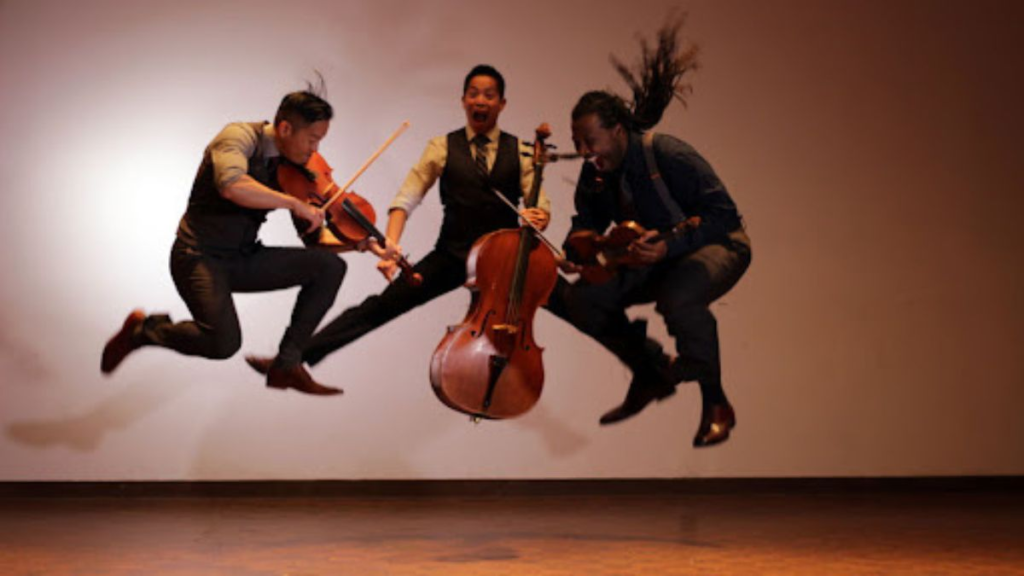
One of the most natural environments for pulsamento is music. Rhythm forms the backbone of musical composition, and pulsamento can describe the driving force behind a piece.
Music with strong rhythmic pulsations is frequently used in workouts to boost motivation, coordination, and endurance.
The Role of Pulsamento in Meditation and Mindfulness
Meditation practices emphasize rhythmic breathing, chanting, and heartbeat awareness. These pulsations help practitioners achieve deep states of relaxation and heightened consciousness.
Breath-focused meditation aligns internal rhythms, promoting emotional regulation and mental clarity. Chanting creates vibrational resonance that can influence neural patterns, fostering tranquility and focus.
The intentional use of in mindfulness practices supports stress reduction, emotional healing, and spiritual growth.
Scientific Research and Future Potential of Pulsamento
Ongoing research continues to explore the vast applications of in neuroscience, physics, medicine, and artificial intelligence. Scientists study how rhythmic stimulation can enhance cognitive performance, improve memory, and accelerate healing processes.
Emerging fields such as biofeedback and neurostimulation harness pulsating signals to regulate brain activity. These technologies show promise in treating conditions like depression, ADHD, and insomnia.
As wearable technology advances, real-time monitoring of biological pulsations may revolutionize healthcare by enabling personalized diagnostics and preventative treatment strategies.
Pulsamento in Digital Media and Virtual Reality
In digital environments, enhances user immersion. Virtual reality platforms incorporate rhythmic vibrations and audio pulses to create realistic sensory experiences.
Gaming technologies use haptic feedback systems that generate pulsating sensations, allowing players to physically feel digital interactions. This innovation deepens emotional engagement and realism.
Augmented reality applications also integrate rhythmic feedback to improve navigation, training simulations, and educational experiences.
Ethical and Social Implications of Pulsamento-Based Technologies
As technology increasingly harnesses pulsating systems, ethical considerations arise regarding privacy, health, and psychological impact. Continuous monitoring of biological rhythms raises concerns about data security and personal autonomy.
One of the most natural environments for pulsamento is music. Rhythm forms the backbone of musical composition, and pulsamento can describe the driving force behind a piece.
Responsible innovation requires balancing technological progress with ethical safeguards. Transparent data handling, user consent, and regulatory frameworks are essential to ensure the safe integration of -based technologies into society.
Conclusion: The Ever-Present Influence of Pulsamento
From the beating of the human heart to the oscillations of cosmic waves, pulsamento remains a fundamental force shaping existence. Its influence spans science, art, medicine, technology, and spirituality, highlighting the interconnected nature of rhythmic motion.
