


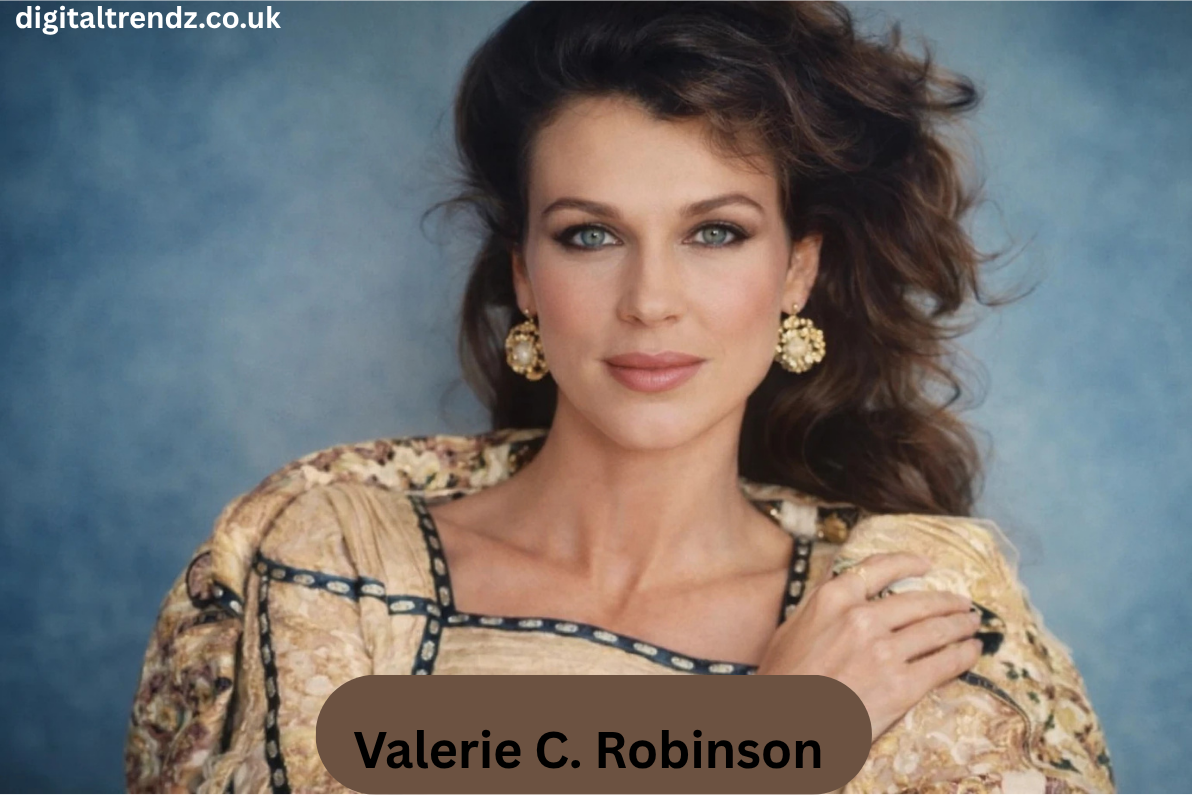
Valerie C. Robinson is an influential contemporary filmmaker and photographer whose work resonates with audiences for its deeply human storytelling, visual sophistication, and cultural insight. She has carved a unique niche in the world of independent visual arts, blending documentary realism with poetic narrative to explore identity, resilience, and untold stories. Robinson’s projects, particularly her acclaimed short film series All The Things They Couldn’t, have established her as a prominent voice for stories that often go unheard, highlighting women, Black artists, and marginalized communities. Her creative work continues to engage, challenge, and inspire viewers, bridging the worlds of art, social commentary, and cultural preservation.
Robinson’s artistry goes beyond aesthetics; it is about fostering connection and empathy. Her visual approach emphasizes narrative depth, capturing moments that reveal emotion, struggle, and triumph. By intertwining documentary techniques with fine art sensibilities, she has developed a style that is both visually captivating and socially relevant. In doing so, Robinson exemplifies the potential of visual media to shape understanding, preserve cultural memory, and provide a platform for voices often ignored in mainstream narratives.
Early Life and Creative Journey
Though detailed biographical information about Valerie C. Robinson is limited, her professional footprint reflects a strong foundation in visual storytelling and community-focused artistry. Operating primarily out of the Washington, D.C. area, Robinson has consistently demonstrated a commitment to creating work that is socially conscious, emotionally engaging, and culturally meaningful. Her early interest in photography and filmmaking led her to explore stories that intersect personal identity with broader societal themes.
Robinson’s creative journey was shaped by an understanding that art could be both expressive and transformative. She gravitated toward documentary filmmaking and photography as tools to highlight overlooked experiences, particularly those of Black women and children. Her commitment to capturing authenticity in her subjects has informed her entire body of work, setting a standard for ethical storytelling in visual media. Through careful observation and engagement, she builds projects that prioritize empathy, respect, and the lived experience of her subjects.
Documentary Filmmaking: All The Things They Couldn’t
Robinson’s signature short film series, All The Things They Couldn’t, exemplifies her approach to documentary storytelling. The series focuses on the challenges and triumphs of Black dancers and artists, exploring how societal pressures, cultural expectations, and personal aspirations intersect. The films combine intimate interviews, cinematic imagery, and poetic editing to tell stories that are both personal and universal.
In this series, Robinson captures her subjects as multi-dimensional individuals rather than as stereotypes. She emphasizes vulnerability, determination, and artistry, portraying dancers and performers in moments of both struggle and triumph. The work is praised for its sensitivity, narrative clarity, and the way it amplifies voices traditionally marginalized in visual media. By combining documentary realism with artistic expression, Robinson establishes a distinctive voice that resonates deeply with audiences and critics alike.
Photography as Storytelling
Beyond filmmaking, Robinson’s photography embodies a similar philosophy of narrative-driven artistry. Her photographic works focus on portraiture, community engagement, and cultural identity. Through her lens, she emphasizes the lived experiences of her subjects, capturing not only physical presence but also emotional depth and personal history. Each image reflects a careful balance between composition, lighting, and storytelling, allowing her work to communicate on both aesthetic and narrative levels.
Robinson’s photography often intersects with her film work, creating a cohesive portfolio that reflects her thematic interests in identity, resilience, and cultural memory. She uses photography as a tool to document human experience with precision and empathy, allowing viewers to engage with her subjects on an intimate level. Her work demonstrates that photography is more than visual representation; it is a medium for connection, reflection, and social awareness.
Focus on Identity and Representation
A central theme in Robinson’s work is identity. She prioritizes projects that showcase underrepresented voices, particularly those of Black women and youth. By doing so, Robinson contributes to a broader dialogue about cultural visibility, social equity, and representation in media. Her work highlights how visual storytelling can challenge conventional narratives and provide platforms for communities whose experiences are often overlooked.
Through both film and photography, Robinson engages with questions of personal and collective identity. She explores the intersection of race, gender, and artistic expression, providing nuanced portrayals that reflect complexity rather than stereotypes. Her commitment to representation extends beyond her subjects to her audience, as she invites viewers to confront their assumptions and deepen their understanding of diverse experiences.
Recognition and Critical Acclaim
Although Robinson operates primarily in independent and art-focused spaces, her work has received significant recognition for its depth, creativity, and cultural relevance. Critics have highlighted the emotional resonance of her documentaries and the visual sophistication of her photography. In particular, All The Things They Couldn’t has been noted for its innovative approach to narrative, its poetic sensibility, and its capacity to amplify marginalized voices in compelling ways.
Her recognition extends beyond traditional awards, encompassing the impact her work has on communities and audiences. By creating visual narratives that are empathetic, inclusive, and socially conscious, Robinson has established a reputation for producing work that is both meaningful and artistically sophisticated. Her projects are frequently discussed in academic, artistic, and cultural circles for their contribution to contemporary visual storytelling.
Community Engagement and Ethical Practice
Robinson’s creative process emphasizes collaboration and ethical engagement with her subjects. She treats participants in her projects as partners, prioritizing their agency and perspective throughout production. This approach reflects a broader commitment to socially responsible storytelling, ensuring that her work respects the dignity and authenticity of those she portrays.
By engaging deeply with the communities she documents, Robinson creates work that is culturally informed, socially relevant, and emotionally resonant. Her projects not only reflect the stories of her subjects but also empower communities by providing visibility, recognition, and voice. This ethical approach reinforces her credibility as both an artist and a storyteller, enhancing the trustworthiness and impact of her work.
Influence on Contemporary Visual Media
Valerie C. Robinson’s work represents an important shift in contemporary visual media, emphasizing narrative complexity, social engagement, and emotional depth. Her combination of documentary filmmaking and fine art photography challenges audiences to consider the ways in which visual storytelling can be both aesthetically compelling and socially meaningful.
Her influence extends to other creators, inspiring filmmakers, photographers, and artists to explore ethical storytelling, cultural representation, and narrative nuance. By bridging artistic vision with social awareness, Robinson demonstrates the potential of visual media to foster empathy, highlight underrepresented perspectives, and contribute to broader cultural conversations about identity, resilience, and creativity.
Future Prospects and Vision
Looking forward, Valerie C. Robinson is poised to continue her work as a leading voice in documentary and visual storytelling. With projects that explore identity, culture, and community, she is likely to expand her audience through film festivals, gallery exhibitions, and collaborative arts initiatives. Her approach continues to prioritize authenticity, cultural insight, and social impact, ensuring that her work remains both artistically and socially significant.
As the landscape of digital media and visual arts evolves, Robinson’s dedication to meaningful storytelling positions her as a figure whose work will influence future generations of filmmakers, photographers, and artists. Her focus on human experience, cultural representation, and narrative depth ensures that her legacy will endure as both a creative and socially conscious storyteller.
Read More:digitaltrendz.co.uk
Conclusion: The Lasting Impact of Valerie C. Robinson
Valerie C. Robinson exemplifies the power of visual media to illuminate stories that matter. Through her documentaries, photography, and community engagement, she has created work that is aesthetically compelling, emotionally resonant, and socially impactful. Her focus on identity, representation, and narrative depth establishes her as a credible, authoritative, and empathetic voice in contemporary visual storytelling.
By combining artistry with ethical practice, Robinson ensures that her work resonates with authenticity and meaning. Her contributions reflect a commitment to both creative excellence and social responsibility, making her an inspiring figure for audiences, artists, and communities alike. As she continues to develop her craft and explore new narratives, Valerie C. Robinson remains a visionary storyteller whose work challenges, educates, and inspires.
