


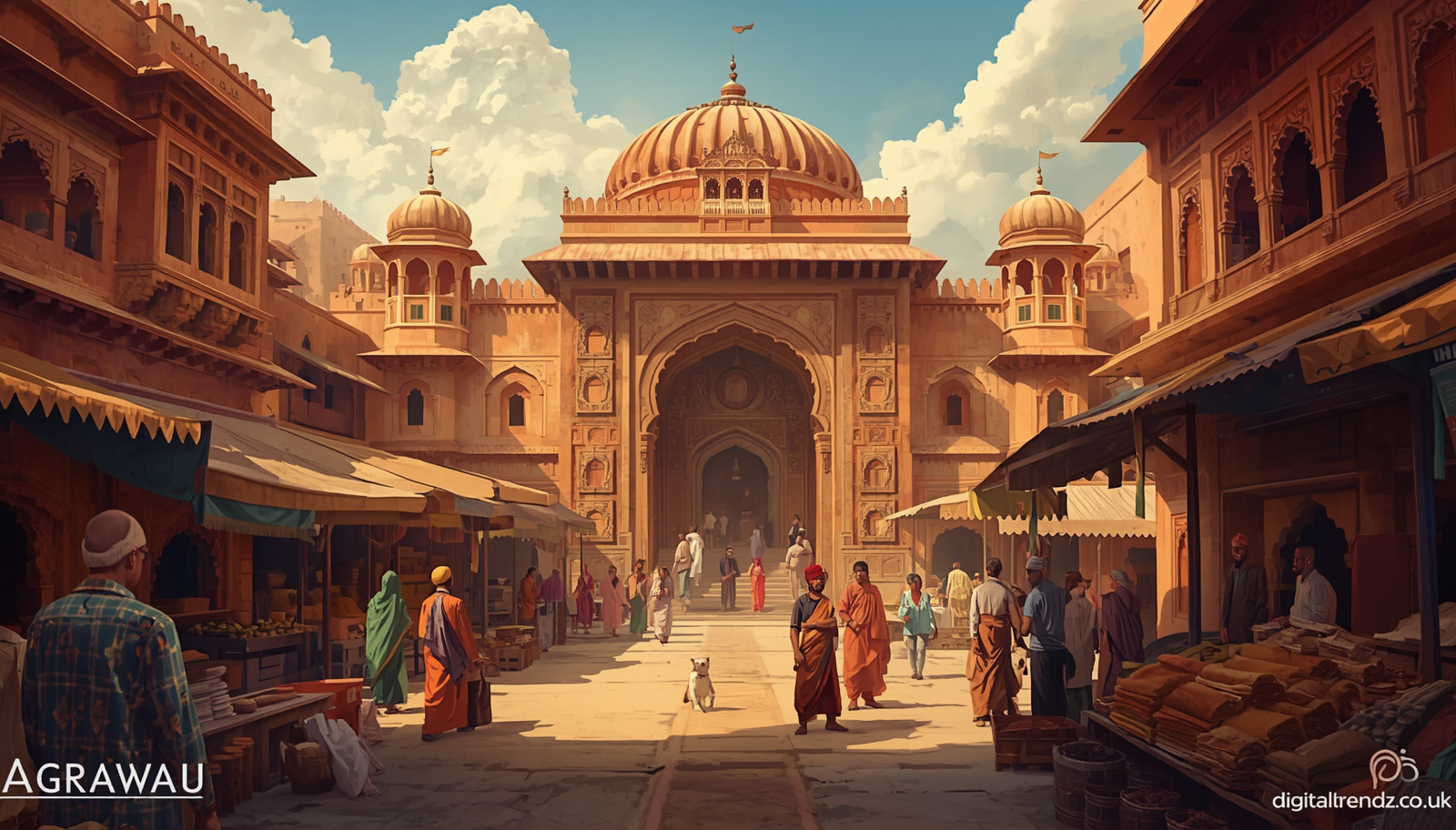
Agrawau is a term that has increasingly attracted attention in cultural and community discussions, often linked to the historic Agrawal community of India. While it is not universally defined in academic texts, Agrawau is widely recognized as a representation of the values, heritage, and traditions associated with Agrawal society. The term draws inspiration from the principles established by Maharaja Agrasen and the ancient city of Agroha, highlighting ethical trade, community solidarity, and socio-cultural pride. Agrawau, therefore, is more than just a word; it symbolizes a legacy of shared identity and ethical practices that have shaped generations.
Understanding Agrawau requires a look at its historical roots, its social and cultural significance, and the way it continues to influence communities today. From ancient traditions to contemporary interpretations, Agrawau reflects a blend of history, morality, and practical community values that remain relevant in both cultural and commercial contexts.
Historical Roots of Agrawau
The origins of Agrawau are closely tied to the story of Agroha, the ancient city that served as the nucleus for the Agrawal community. According to tradition, Maharaja Agrasen established Agroha as a hub of social welfare, commerce, and ethical governance, laying down principles that have endured for centuries. The city and its culture emphasized community cooperation, fairness in trade, and the well-being of all citizens, creating a framework that continues to influence the values associated with Agrawau.
Over the centuries, the Agrawal community became known for its entrepreneurial spirit, ethical practices, and philanthropy. These attributes were not only vital for economic success but also for building trust and social cohesion within and beyond the community. Agrawau, as a cultural and philosophical term, reflects these ideals, symbolizing the moral and social fabric that connects historical tradition with modern identity.
The significance of Agroha and Maharaja Agrasen’s principles cannot be overstated. These roots provide a foundation for understanding Agrawau as a concept that encompasses both heritage and practical ethics, emphasizing a life led by integrity, community service, and cultural continuity.
Cultural Identity and Values
Agrawau embodies the cultural identity and core values of the Agrawal community. At its heart, it represents ethics, honesty, social responsibility, and mutual support, which have historically defined the community’s social and economic life. Ethical trade and transparent dealings are central to this identity, reflecting the broader philosophical framework of Maharaja Agrasen’s teachings.
The values associated with Agrawa.u extend beyond commerce. They emphasize collective prosperity, family unity, and communal welfare, encouraging individuals to consider the impact of their actions on society as a whole. This interconnected approach to culture and ethics reinforces social harmony, ensuring that community members uphold traditions while actively contributing to shared progress.
Philanthropy and charitable activities are another important aspect of Agrawau’s cultural ethos. Many Agrawal families historically engaged in supporting education, healthcare, and social initiatives, thereby institutionalizing the principle of giving back to society. In this way, Agrawa.u serves as a guiding philosophy for balancing personal achievement with collective responsibility.
Social Traditions and Community Practices
The social traditions linked to Agrawa,u are rich and diverse, reflecting centuries of communal life. Festive celebrations, family rituals, and social ceremonies are central to maintaining and passing on these traditions. Festivals such as Diwali, Holi, and Agrasen Jayanti are celebrated with an emphasis on cultural pride, community cohesion, and family bonding. These occasions provide opportunities to reinforce values, honor heritage, and promote social interaction.
Marriage customs, family gatherings, and ceremonial practices also contribute to the preservation of Agrawau’s cultural significance. Through these events, the community strengthens intergenerational connections and transmits moral and social values. The rituals associated with Agrawa.u highlight respect for ancestry, ethical living, and community solidarity, ensuring that cultural identity remains vibrant and relevant.
Agrawau and Commerce
Commerce has historically been a defining element of the Agrawal community, and by extension, the concept of Agrawau. Agrawal traders have long been recognized for their entrepreneurial skills, business ethics, and economic influence, establishing networks that extended far beyond their native regions. The principles associated with Ag.rawau, such as honesty, trustworthiness, and long-term relationship-building, were instrumental in their commercial success.
The emphasis on ethical trade under Agra.wau has helped the community maintain a reputation for reliability and integrity, which continues to influence business practices today. These principles not only shaped individual careers but also contributed to the overall growth and prosperity of communities tied to the Agrawal heritage. The legacy of commerce under Agrawau demonstrates how cultural values can effectively integrate with economic activity, creating a balanced approach to success and responsibility.
Contemporary Interpretations of Agrawau
In modern times, Agrawau is less a formally defined term and more a symbol of cultural heritage and ethical values. It is often mentioned in blogs, heritage websites, and community discussions as a concept representing the Agrawal community’s historical principles, cultural pride, and social responsibility. While the interpretation varies, the core themes of integrity, community service, and shared heritage remain consistent.
Digital platforms and social media have helped popularize the concept of Ag.rawau, enabling younger generations to explore their roots and understand the historical significance of their community. As people increasingly seek connections to their cultural identity, Ag.rawau serves as a bridge between historical tradition and contemporary values, inspiring a sense of pride and responsibility in personal, social, and professional life.
The Role of Heritage in Modern Society
Understanding Agr.awau highlights the broader role of cultural heritage in shaping contemporary society. Cultural identity is not static; it evolves over time while retaining its core values. Agrawau exemplifies how traditions, ethical principles, and community engagement can be preserved and adapted to modern contexts.
Heritage terms like Agrawau encourage reflection on how communities balance tradition with progress, ensuring that historical values inform contemporary decision-making. By appreciating Agra wau, individuals gain insight into the importance of ethics, social cohesion, and cultural continuity, which remain relevant for personal growth, societal well-being, and professional conduct.
Challenges in Defining Agrawau
One of the main challenges in understanding Agrawau is its lack of a standardized definition. Different sources interpret it differently, some focusing on cultural heritage, others on ethical principles, and some even associating it with modern digital or commercial references. This ambiguity requires careful consideration and cross-referencing to ensure accurate understanding.
Despite these challenges, the fluid interpretation of Agra wau does not diminish its value. Instead, it allows for dynamic engagement with cultural identity, enabling individuals and communities to explore heritage in ways that resonate personally and collectively. By contextualizing Agra wau within history, ethics, and social practice, its relevance is maintained across generations.
Why Agrawau Matters Today
Agrawau matters because it encapsulates the enduring values and cultural identity of a community that has played a significant role in India’s social and economic history. It highlights the importance of ethical behavior, community cooperation, and heritage preservation in a rapidly changing world.
By exploring Agrawau, individuals can connect with traditions that emphasize moral responsibility, cultural pride, and social cohesion. In both personal and professional spheres, the principles associated with Agrawau continue to inspire trust, resilience, and a sense of belonging. In this way, Agrawau remains a relevant and influential concept, demonstrating the power of culture, heritage, and values in shaping modern life.
REad More:Pedro Vaz Paulo: The Entrepreneur Transforming Modern Business
Conclusion
Agrawau represents more than just a term; it symbolizes the values, ethics, and cultural heritage of the Agrawal community. Rooted in the history of Agroha and the teachings of Maharaja Agrasen, Agrawau reflects principles of ethical trade, community solidarity, philanthropy, and social responsibility. While its definition may vary across sources, its essence lies in preserving cultural identity, promoting collective welfare, and fostering moral and economic integrity. By understanding Agrawau, we gain a window into the rich legacy of a community that continues to inspire pride, purpose, and ethical living in contemporary society.
