


The search for accurate information about the ETSJavaApp release date has been steadily increasing as users look for clarity, updates, and official announcements. Whether you are a tech enthusiast, a student preparing for exams, or someone following software development trends, understanding the timeline and background of ETSJavaApp is important.
In this comprehensive guide, we will explore the expected launch timeline, development insights, potential features, industry relevance, and what users should realistically expect moving forward.
What Is ETSJavaApp?
Before discussing the ETSJavaApp release date, it is essential to understand what the application represents.
ETSJavaApp appears to be a Java-based application concept linked to digital testing systems, enterprise solutions, or educational technology platforms. The name suggests a connection to Java development combined with a system possibly associated with testing or evaluation services.
Java, created by Sun Microsystems and later acquired by Oracle Corporation, remains one of the most widely used programming languages in enterprise software, Android development, and cloud applications. Because of Java’s scalability and security, many institutional applications rely on it.
If ETSJavaApp is being developed within such an ecosystem, its release timeline likely depends on enterprise-grade testing, security compliance, and multi-platform compatibility.
Why the ETSJavaApp Release Date Matters
Software release dates are more than just calendar events. They influence:
- User adoption rates
- Enterprise deployment schedules
- Compatibility planning
- Marketing and rollout strategies
- Educational or institutional implementation
When a new application is anticipated, especially one connected to structured testing or educational services, stakeholders require clarity well in advance.
The curiosity around the ETSJavaApp release date suggests that users expect it to fill a functional or operational gap in current systems.
Current Status of ETSJavaApp
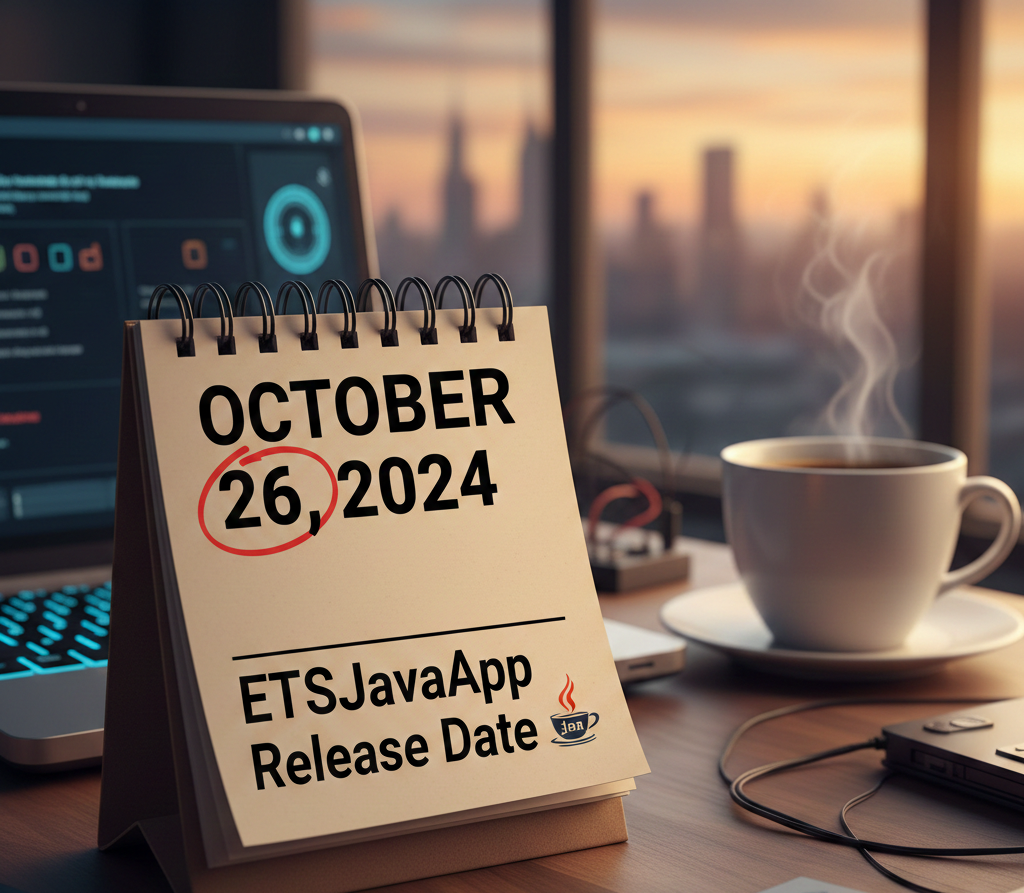
As of now, there is no widely confirmed official announcement regarding the exact ETSJavaApp release date. This absence of public confirmation typically indicates one of several possibilities:
- The project is still under development.
- It may be in internal testing phases.
- It could be part of a larger system rollout.
- The name may represent an internal application rather than a public product.
Large organizations often delay public announcements until testing phases are complete. Enterprise-grade Java applications especially undergo multiple stages:
- Alpha testing
- Beta testing
- Security validation
- Load testing
- Compliance review
Because Java applications are commonly used in high-security environments, delays are not uncommon.
How Software Release Cycles Typically Work
To better understand the potential timeline, it helps to review how Java-based applications are generally released.
1. Concept & Planning
The initial phase defines objectives, technical architecture, and scope.
2. Development Phase
Programmers build features using Java frameworks such as Spring Boot or enterprise libraries.
3. Testing Phase
Testing ensures system reliability under various conditions.
4. Pre-Release Review
Security audits and performance benchmarking occur.
5. Public Release
After meeting quality benchmarks, the application becomes available to users.
If ETSJavaApp is following a standard enterprise lifecycle, the release date will only be announced once stability is confirmed.
Factors Influencing the ETSJavaApp Release Date
Several elements may impact the timeline:
Development Complexity
Java enterprise applications often integrate with databases, cloud servers, and authentication systems.
Security Requirements
Applications associated with testing or institutional services must comply with strict data protection standards.
Cross-Platform Compatibility
If the application supports desktop, mobile, or web-based deployment, additional testing is required.
Regulatory Approvals
If tied to educational or certification services, external approval processes may be necessary.
Java Ecosystem and Its Impact
The Java ecosystem continues evolving under the guidance of Oracle Corporation. Frequent updates to the Java Development Kit (JDK) can influence application release schedules.
For example:
- Compatibility updates
- Performance enhancements
- Security patches
- Long-Term Support (LTS) versions
Developers often wait for stable LTS versions before launching major applications.
Speculated Release Windows
Although no official ETSJavaApp release date has been confirmed, speculation typically falls into three scenarios:
Scenario 1: Limited Internal Release
The app may already be active internally within an organization.
Scenario 2: Beta Testing Stage
A small group of testers could currently be evaluating the system.
Scenario 3: Pending Public Launch
An official announcement might follow once infrastructure is finalized.
Without verified public communication, these remain informed possibilities rather than confirmed facts.
Possible Features of ETSJavaApp
While specific feature lists are unavailable, a Java-based enterprise or testing app may include:
- Secure login authentication
- Role-based access control
- Encrypted data storage
- Real-time performance tracking
- Cloud synchronization
- Administrative dashboards
Java’s stability makes it ideal for mission-critical platforms.
Why Delays Are Common in Enterprise Applications
Enterprise applications prioritize reliability over speed. Unlike consumer apps, they must handle:
- Large-scale concurrent users
- Sensitive information
- Integration with legacy systems
- Long-term support obligations
Releasing prematurely could create security risks or operational disruptions.
How to Stay Updated
If you are actively searching for updates about the ETSJavaApp release date, consider:
- Monitoring official organizational announcements
- Checking technology press releases
- Following software development updates
- Reviewing enterprise software forums
Official confirmation is always more reliable than speculation.
Comparing With Other Java-Based Rollouts
Historically, major Java-based platforms often experienced extended development cycles. Large-scale enterprise solutions typically require months or years before public launch.
This trend suggests that patience is often necessary when waiting for a new enterprise-grade application.
Potential Impact After Release
Once the ETSJavaApp release date is officially confirmed and the app becomes available, potential impacts could include:
- Streamlined digital operations
- Improved system automation
- Enhanced data security
- Faster user interaction
- Centralized administrative control
The actual influence will depend on its intended purpose.
Market Relevance
The demand for reliable Java applications remains strong across industries:
- Education
- Corporate training
- Certification bodies
- Enterprise management systems
- Government institutions
If ETSJavaApp is positioned within any of these sectors, adoption could be significant.
Managing Expectations
It is important to approach any anticipated software release with realistic expectations:
- Not all internal projects reach public release.
- Timelines may shift due to technical challenges.
- Security testing may extend beyond planned schedules.
A cautious rollout strategy typically benefits long-term users.
Frequently Asked Questions
Is the ETSJavaApp release date officially confirmed?
No verified official release date has been publicly announced.
Could it already be in development?
Yes, it may be undergoing internal testing or phased development.
Why is there limited information available?
Some enterprise applications remain private until final launch stages.
Where can updates be found?
Official organizational websites or press releases are the most reliable sources.
Final Thoughts
The interest surrounding the ETSJavaApp release date highlights growing curiosity within the tech and institutional sectors. While there is currently no confirmed public launch timeline, several factors suggest that development may still be ongoing
