


Major League Soccer continues to grow in popularity across North America and beyond. Every season, millions of fans closely track the posiciones de MLS to see how their favorite clubs are performing. The league table is more than just numbers—it tells the story of competition, consistency, and championship ambition.
In this in-depth guide, we will explore how the MLS standings work, how teams qualify for the playoffs, key rules that influence rankings, and why the race for the top spots is one of the most exciting aspects of the league.
Overview of Major League Soccer
Major League Soccer (MLS) is the premier professional soccer league in the United States and Canada. Founded in 1993 and launching its inaugural season in 1996, MLS has expanded significantly over the years. What started as a modest league with 10 teams has grown into a dynamic competition featuring clubs from major cities across North America.
MLS operates under a unique structure compared to many European leagues. Instead of a single table determining the champion, MLS uses both regular season standings and a playoff system to crown its ultimate winner.
Understanding the posiciones de MLS requires familiarity with this structure.
How the Posiciones de MLS Work
The league is divided into two conferences:
- Eastern Conference
- Western Conference
Each conference maintains its own standings table throughout the regular season. Teams earn points based on match results:
- 3 points for a win
- 1 point for a draw
- 0 points for a loss
The standings rank teams according to total points earned. When two or more teams have the same number of points, tiebreakers are applied.
Key Tiebreakers in MLS Standings
If teams are level on points, MLS uses the following criteria:
- Total wins
- Goal differential (goals scored minus goals conceded)
- Goals scored
- Fewest disciplinary points
- Head-to-head record
- Additional league-defined criteria if needed
These tiebreakers can significantly influence final playoff positions.
Eastern Conference Overview
The Eastern Conference features some of the most competitive and historically successful teams in MLS. Clubs like:
- Inter Miami CF
- Atlanta United FC
- New York City FC
- Toronto FC
consistently battle for the top positions.
Competitive Nature of the East
The Eastern Conference often experiences tight races for playoff spots. In many seasons, the difference between fourth and ninth place can be just a few points. This makes every match crucial in determining final posiciones de MLS.
Western Conference Overview
The Western Conference is equally competitive and includes powerhouse teams such as:
- LA Galaxy
- Los Angeles FC
- Seattle Sounders FC
- Portland Timbers
The West is often known for its attacking style and high-scoring matches.
Travel and Geography Impact
Because MLS teams are spread across vast geographic distances, travel can impact performance. West Coast teams frequently travel long distances for away games, influencing fatigue levels and overall standings performance.
Supporters’ Shield and Its Importance
While the playoffs determine the MLS Cup champion, the team with the best overall regular season record wins the Supporters’ Shield.
This trophy recognizes consistency across the entire campaign. Finishing first in overall posiciones de MLS is a significant achievement and often gives the team home-field advantage throughout the playoffs.
MLS Cup Playoffs Structure
The postseason format has evolved over the years, but typically:
- The top teams from each conference qualify
- Higher-seeded teams host playoff matches
- The conference champions advance to the final
The winner of the championship match lifts the MLS Cup.
The playoff system ensures that even teams not finishing first in the standings can still become champions.
Expansion and Its Impact on Standings
MLS has expanded rapidly, adding new franchises in major markets. Expansion affects the posiciones de MLS in several ways:
- More teams increase competition
- Playoff qualification spots may expand
- Scheduling becomes more complex
New teams often bring fresh energy and talent, reshaping conference dynamics.
Star Players and Their Influence on Standings
Individual talent can dramatically influence team performance. When superstar players join MLS clubs, they often elevate team results and impact the league table.
For example, the arrival of global icon Lionel Messi at Inter Miami CF generated worldwide attention and improved team competitiveness.
High-impact players contribute goals, assists, leadership, and tactical intelligence, all of which translate into valuable points.
Regular Season Schedule
MLS teams play a balanced schedule that includes:
- Conference opponents
- Selected cross-conference matches
Performance consistency throughout this schedule determines positioning in the standings.
Unlike some leagues with relegation, MLS does not demote teams. This allows clubs to focus on long-term development without fear of dropping divisions.
Importance of Goal Differential
Goal differential often becomes decisive in tight standings races. A strong defense and efficient attack can help teams secure better tiebreaker positions.
For example:
- A team with +20 goal difference holds advantage over a team with +10
- Even late-season goals can impact final rankings
Clubs frequently push to score additional goals even in matches already decided to improve their standing metrics.
Home vs Away Performance
Home-field advantage plays a major role in posiciones de MLS. Many teams perform significantly better at home due to:
- Fan support
- Familiar playing conditions
- Reduced travel fatigue
Strong home records often correlate with higher standings positions.
Tactical Approaches and Their Effect
Different coaching styles shape team performance:
- Possession-based systems
- Counterattacking strategies
- High pressing tactics
Coaches who adapt tactics based on opponent strengths tend to secure more consistent results.
Over the course of a long season, tactical flexibility often separates top-table teams from mid-table competitors.
Mid-Season Transfers and Their Impact
MLS includes transfer windows that allow teams to strengthen their squads. Strategic signings can:
- Improve defensive stability
- Add scoring power
- Provide leadership
Teams positioned just outside playoff spots often use mid-season reinforcements to climb the standings.
Youth Development and Academy Systems
Many MLS clubs invest heavily in youth academies. Developing homegrown talent helps teams:
- Maintain salary cap balance
- Build long-term competitiveness
- Increase squad depth
Young players frequently provide energy and adaptability during congested schedules.
Salary Cap Structure and Competitive Balance
MLS uses a salary cap system to maintain competitive parity. Unlike many European leagues where wealthier clubs dominate, MLS aims to keep the standings relatively balanced.
Designated Player rules allow teams to sign high-profile stars while maintaining overall financial structure.
This balance contributes to unpredictable posiciones de MLS each season.
International Competitions
MLS clubs also compete in regional tournaments such as the CONCACAF Champions Cup. Participation in additional competitions can:
- Increase fixture congestion
- Cause fatigue
- Impact league performance
Squad rotation becomes essential for teams competing on multiple fronts.
Statistical Trends in Recent Seasons
Recent seasons have shown:
- Higher average goals per game
- Increased parity between conferences
- Greater emphasis on attacking play
These trends contribute to dynamic changes in the standings from week to week.
Fan Engagement and Standings Tracking
Fans follow posiciones de MLS through:
- Official league website
- Sports media platforms
- Club social media channels
Modern analytics tools provide detailed breakdowns including expected goals, possession stats, and defensive metrics.
Rivalries That Influence Standings
MLS features intense rivalries that can affect rankings:
- Los Angeles derby
- Cascadia rivalry
- Eastern Conference regional clashes
Rivalry matches often produce unpredictable results, influencing playoff races.
Historical Evolution of MLS Standings
In early MLS seasons, standings were less predictable due to experimental rules. Over time, the league adopted internationally recognized scoring systems.
Expansion, rule adjustments, and structural refinements have shaped the current standings format.
Playoff Qualification Pressure
As the regular season nears its end, teams near the playoff cutoff face intense pressure. Late-season form becomes critical.
Clubs sometimes go on winning streaks that dramatically shift posiciones de MLS in the final weeks.
Future Outlook of MLS Standings
With continued expansion, international signings, and youth development, MLS standings are expected to become even more competitive.
Investment in infrastructure, stadiums, and player posiciones de mls development strengthens overall league quality.
The growing global audience ensures that every change in the league table attracts international attention.
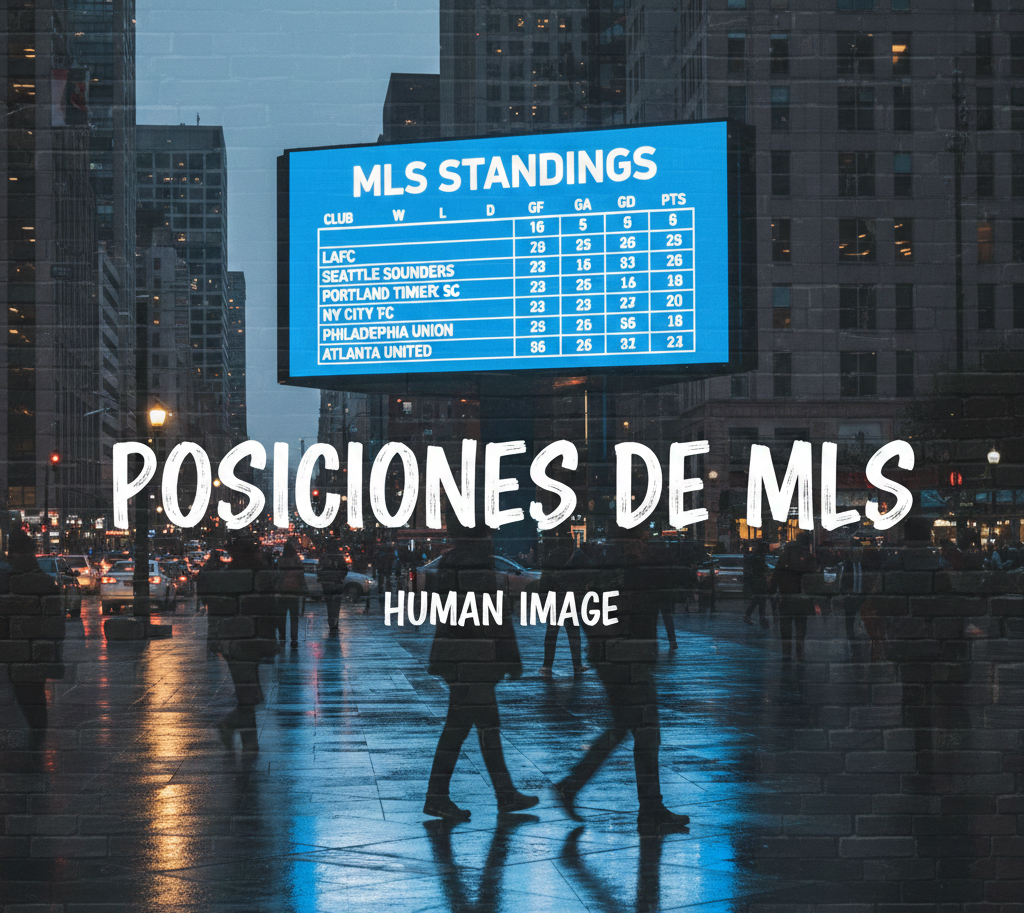
Why Posiciones de MLS Matter
The standings represent:
- Team consistency
- Tactical effectiveness
- Player performance
- Organizational strength
They serve as a snapshot of competitive balance across North America’s premier soccer league.
Tracking posiciones de MLS offers insight into which teams are rising, which are struggling, and which are championship contenders.
Conclusion
The posiciones de MLS provide a comprehensive view of team performance throughout the season. From conference battles to playoff qualification drama, every point matters. The combination of competitive balance, star power, expansion growth, and tactical evolution makes Major League Soccer one of the most dynamic leagues in global football
