


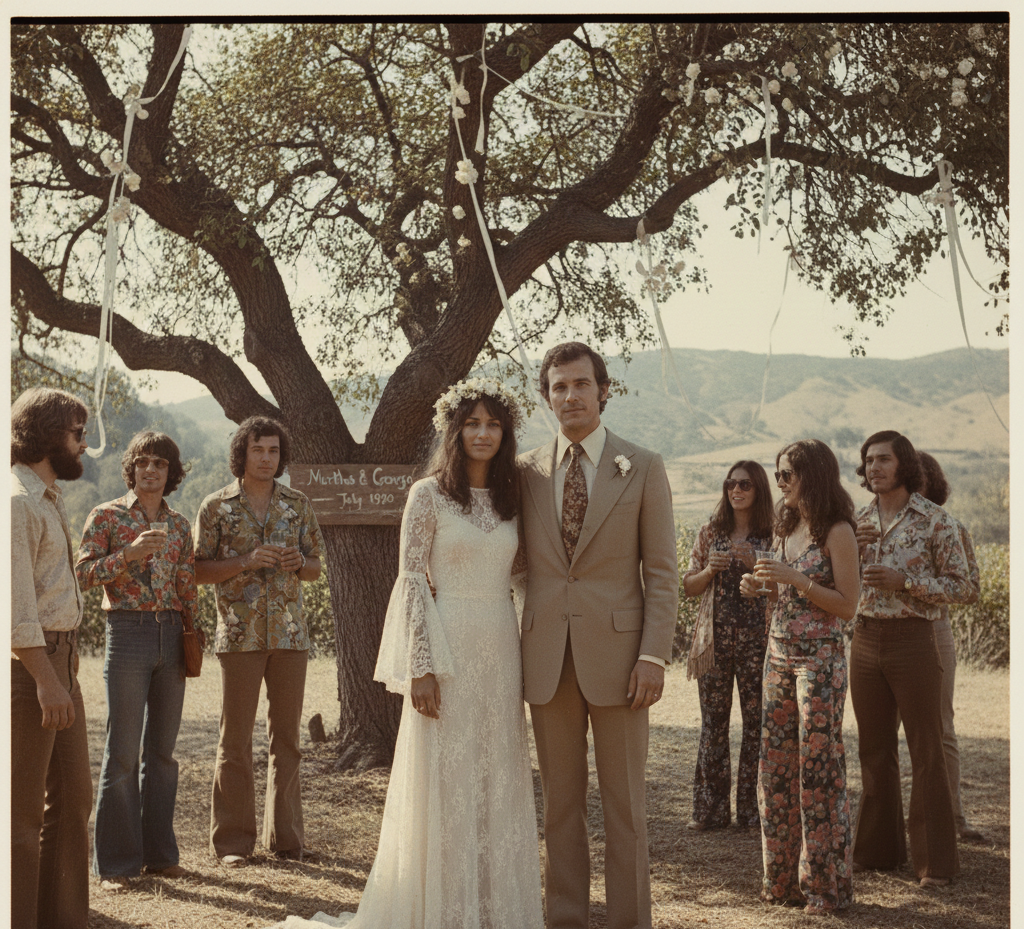
The wedding of Mirtha Jung in 1970 stands as one of the most intriguing and symbolic events connected to the turbulent personal history surrounding George Jung, a figure later associated with the international drug trade. While the marriage itself was not a grand public spectacle at the time, it later gained attention because of the dramatic life paths both individuals followed. The wedding Mirtha Jung 1970 represents more than a simple union between two young people—it marked the beginning of a complex relationship shaped by ambition, addiction, love, and eventual downfall.
This article explores the context, background, emotional depth, and long-term consequences of that marriage. By understanding the environment of the 1970s, Mirtha Jung’s personal journey, and the dynamics of her relationship with George Jung, we can better Wedding of Mirtha Jung 1970 grasp why this wedding remains a topic of interest decades later.
The Cultural Climate of the Late 1960s and Early 1970s
To understand the importance of the wedding of Mirtha Jung in 1970, it is essential to examine the era in which it occurred. The late 1960s and early 1970s were marked by radical cultural shifts in the United States and beyond. Traditional values were being challenged, social movements were reshaping society, and counterculture lifestyles were becoming more visible.
Marriage during this time often looked very different from earlier decades. Many couples prioritized emotional connection, rebellion against norms, and personal freedom over tradition. This environment played a crucial role in shaping Mirtha Jung’s choices and worldview.
Drug use, experimentation, and a rejection of conservative lifestyles were common within certain circles. For individuals like Mirtha and George Jung, the era fostered a sense of fearlessness and urgency—a belief that life should be lived Wedding of Mirtha Jung 1970 intensely, regardless of consequences.
Who Was Mirtha Jung Before Her Wedding?
Before becoming widely known as George Jung’s wife, Mirtha Jung lived a relatively private life. She was not a public figure in her own right at the time of her marriage. However, her personality and background were deeply influential in shaping her future.
Mirtha was often described as intelligent, independent, and emotionally complex. She embodied the spirit of her generation—curious, rebellious, and eager to explore life beyond traditional boundaries. Her attraction to George Jung was not accidental; both shared a desire for excitement, escape, and emotional intensity.
The wedding in 1970 came at a time when Mirtha Jung was still forming her adult identity. Like many young people of the era, she believed deeply in love and Wedding of Mirtha Jung 1970partnership as a path toward meaning and fulfillment.
George Jung and the Path That Led to Marriage
George Jung, who would later become infamous, was not yet the notorious figure many associate with his name today. In 1970, he was still building the foundations of a life that would eventually spiral into criminal activity.
At the time of their wedding, George Jung was charismatic, ambitious, and driven by dreams of success that extended far beyond conventional employment. He was known for his confidence and ability to attract people with his vision and charm.
For Mirtha Jung, George represented excitement and possibility. Their connection was intense, fueled by shared experiences and emotional dependency. The wedding in 1970 symbolized a commitment to face the world together, no matter the risks.
The Wedding of Mirtha Jung in 1970: A Private Affair
Unlike modern celebrity weddings, the wedding of Mirtha Jung in 1970 was not a lavish public event. It was relatively modest, reflecting both the couple’s circumstances and the informal attitudes of the time.
There is limited public documentation of the ceremony, which suggests that it was likely attended only by close friends and family. This privacy adds to the mystique surrounding the marriage. The focus was not on spectacle, but on emotional Wedding of Mirtha Jung 1970 connection and commitment.
The simplicity of the wedding mirrored the couple’s outlook on life. They were less concerned with appearances and more invested in the idea of partnership, freedom, and shared ambition.
Emotional Meaning Behind the Marriage
For Mirtha Jung, the marriage was deeply emotional. It represented stability in a world that felt increasingly chaotic. Despite the unconventional lifestyle they were entering, marriage symbolized trust and loyalty.
The wedding was also an expression of hope. Both Mirtha and George believed they could build a life defined by success and Wedding of Mirtha Jung 1970 independence. They underestimated the destructive forces that would later dominate their relationship, particularly addiction and illegal activity.
At its core, the wedding was an act of love—flawed, impulsive, and sincere.
The Role of Addiction in the Marriage
Shortly after the wedding, substance abuse began to play a central role in the couple’s life. While experimentation was common in their social circles, addiction soon overshadowed everything else.
Mirtha Jung struggled deeply with heroin addiction, which placed immense strain on the marriage. Addiction altered priorities, damaged trust, and created emotional distance. The love that once defined their relationship became entangled with dependency and pain.
The wedding in 1970 marked the beginning of a journey that neither partner fully understood at the time. What started as shared rebellion gradually turned into a cycle of self-destruction.
Parenthood and Its Impact on the Relationship
One of the most significant outcomes of the marriage was the birth of their daughter, Kristina Sunshine Jung. Parenthood brought new responsibilities and challenges, especially for Mirtha Jung.
Motherhood forced Mirtha to confront the consequences of addiction and instability. While the wedding represented union and freedom, the arrival Wedding of Mirtha Jung 1970 of a child demanded structure and sacrifice.
This tension further strained the marriage. George Jung’s continued involvement in illegal activities and Mirtha’s battle with addiction made it difficult to provide a stable environment.
Public Attention and Retrospective Interest
At the time of the wedding, Mirtha Jung was not a public figure. However, years later, interest in her life grew due to media portrayals of George Jung’s story.
Films, documentaries, and books have brought renewed attention to the wedding of Mirtha Jung in 1970, framing it as the emotional starting point of a dramatic Wedding of Mirtha Jung 1970 narrative. While these portrayals often focus on crime and notoriety, the wedding itself remains a human story of love and vulnerability.
It is important to separate Wedding of Mirtha Jung 1970 myth from reality. Behind the headlines was a young woman navigating love, addiction, and survival.
The Breakdown of the Marriage
Despite the emotional bond that began with their wedding, the marriage eventually fell apart. Addiction, imprisonment, and emotional distance Wedding of Mirtha Jung 1970 proved too powerful to overcome.
The divorce marked the end of a chapter that began with hope in 1970. For Mirtha Jung, this separation was both devastating and transformative. It forced her to confront her life choices and seek recovery.
The collapse of the marriage does not erase the significance of the wedding. Instead, it highlights how optimism can clash with reality in unpredictable ways.
Life After the Wedding and Divorce
After the end of her marriage, Mirtha Jung largely retreated from public view. She focused on recovery and personal healing, distancing Wedding of Mirtha Jung 1970 herself from the chaos that once defined her life.
Her journey after the wedding of Mirtha Jung in 1970 is a story of resilience. While much attention is placed on the dramatic aspects of her past, her efforts to Wedding of Mirtha Jung 1970 rebuild her life deserve equal recognition.
Mirtha’s story reminds us that individuals are more than the worst moments of their lives.
Symbolism of the Wedding in Historical Context
The wedding of Mirtha Jung in 1970 can be seen as a symbol of an era marked by extremes—idealism and recklessness, love and destruction. It encapsulates Wedding of Mirtha Jung 1970 the spirit of a generation searching for meaning outside traditional paths.
This marriage represents the personal cost of living on the edge of societal norms. While the era promised freedom, it often delivered Wedding of Mirtha Jung 1970consequences that lasted a lifetime.
Why the Wedding Still Matters Today
Interest in the wedding persists because it humanizes a story often told through crime statistics and sensational headlines. It reminds audiences that behind every infamous narrative are real people with real emotions.
The wedding of Mirtha Jung in 1970 serves as a lens through which we can examine love, choice, and accountability. It encourages reflection on Wedding of Mirtha Jung 1970 how Wedding of Mirtha Jung 1970 early decisions can shape an entire life.
Conclusion: A Moment Frozen in Time
The wedding of Mirtha Jung in 1970 was not just a ceremony—it was a turning point. It marked the beginning of a partnership filled with passion, ambition, and eventual heartbreak
