


Hair care has evolved over the years, with countless tools promising smooth, tangle-free hair. Among these, the has gained immense popularity for its ability to gently detangle hair without causing breakage. Whether you have thick, curly, fine, or straight hair, understanding how to select and use a wet brush can transform your daily routine.
What is a Wet Brush?
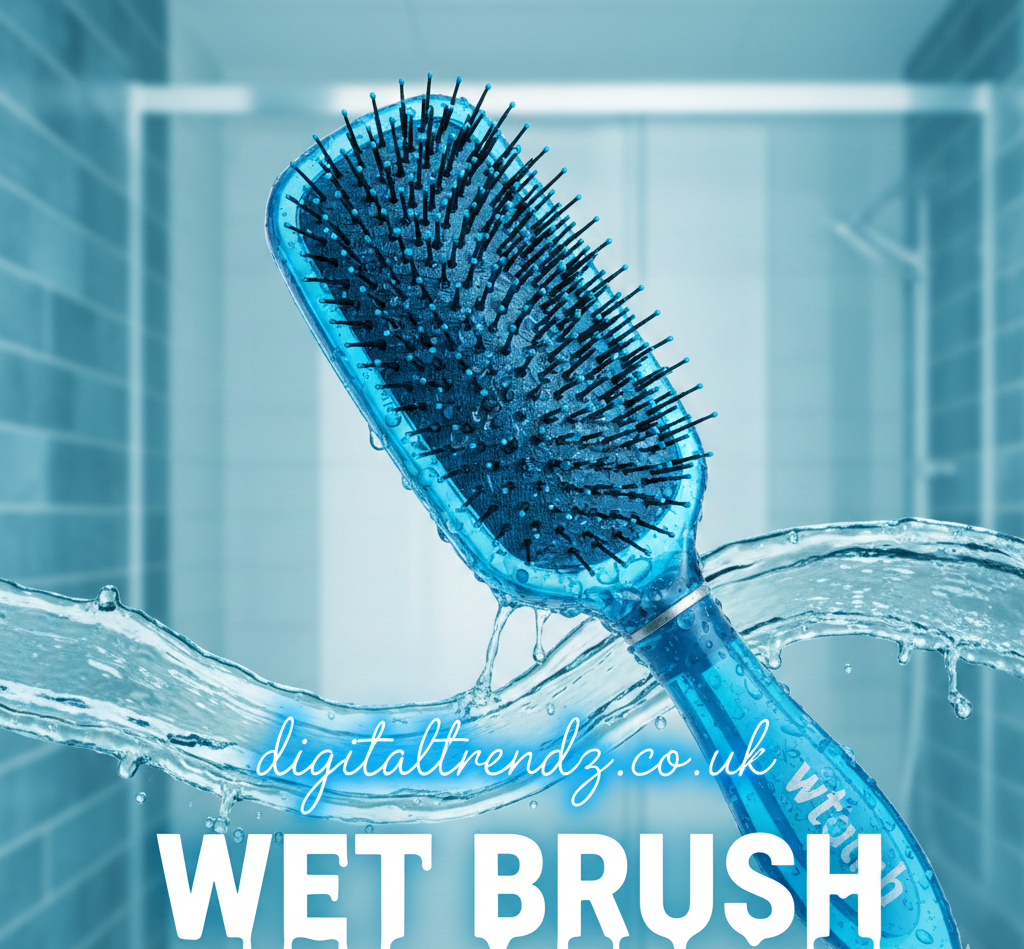
A wet brush is a specialized hairbrush designed to glide through wet or dry hair with minimal pulling and discomfort. Its unique bristle design reduces hair breakage, making it a favorite among hairstylists, parents, and individuals with delicate hair. Unlike traditional brushes,es often feature flexible bristles that adapt to the hair’s natural texture, providing a smoother brushing experience.
Key Features of a Wet Brush
When choosing a , several features set it apart from conventional hairbrushes:
Flexible Bristles
The bristles on a are typically made from soft, flexible materials. These bend and flex as they move through knots, gently loosening tangles rather than ripping hair apart. This flexibility is particularly beneficial for people with curly or fine hair.
Ergonomic Handle
A comfortable grip is essential, especially if you’re brushing long or thick hair. Wet brushes often come with ergonomic handles that reduce strain on the hand and wrist during prolonged use.
Suitable for All Hair Types
Whether you have straight, wavy, curly, or coily hair, are designed to work with all textures. Some models are specifically tailored for thick or fine hair, but most are versatile enough for everyday use.
Lightweight Design
Many wet brushes are lightweight, making them easy to carry and perfect for on-the-go grooming. This feature is particularly helpful for parents who need to brush their children’s hair without causing discomfort.
Benefits of Using a Wet Brush
Incorporating a wet brush into your hair care routine offers several advantages:
Reduced Hair Breakage
Traditional brushes can tug at knots and pull on fragile strands, causing split ends and breakage. Wet brushes, with their flexible bristles, minimize tension on the hair shaft, protecting your hair from damage.
Painless Detangling
One of the most praised benefits of a wet brush is its ability to detangle hair without pain. The gentle design makes brushing wet or dry hair a more pleasant experience, especially for children or those with sensitive scalps.
Enhances Hair Shine
By distributing natural oils from the scalp down the hair shaft, can enhance the hair’s natural shine. This process helps maintain smooth, healthy-looking hair over time.
Saves Time
Wet brushes glide through knots quickly and efficiently, reducing the time spent detangling. This is particularly useful for people with long or thick hair who often struggle with stubborn tangles.
How to Choose the Right Wet Brush
Selecting the perfect wet brush depends on several factors:
Hair Length and Thickness
- Short hair: Look for a compact brush with soft bristles to manage tangles efficiently.
- Long hair: A larger brush with flexible bristles will cover more surface area and reduce brushing time.
- Thick or curly hair: Opt for a brush with widely spaced bristles to glide through dense textures without pulling.
Handle Comfort
A non-slip, ergonomic handle ensures that brushing is comfortable and controlled, even when dealing with wet hair. Rubberized grips are especially useful for added control.
Bristle Material
Wet brushes commonly use nylon or silicone bristles. Nylon is slightly firmer and better for thick hair, while silicone bristles are gentler and ideal for fine or fragile hair.
Brand Reputation and Reviews
Many brands offer , but not all provide the same quality. Reading reviews and seeking recommendations from trusted sources can help you find a durable and effective brush.
How to Use a Wet Brush Effectively
Using a wet brush correctly is essential for getting the best results and avoiding damage.
Step 1: Prepare Your Hair
Start by gently towel-drying your hair after washing. Avoid rough rubbing, which can create friction and lead to breakage.
Step 2: Section Your Hair
Divide hair into manageable sections. This makes it easier to work through tangles and ensures every strand is detangled gently.
Step 3: Start from the Ends
Always begin brushing from the tips of your hair, working your way up to the roots. This prevents knots from tightening and reduces hair breakage.
Step 4: Use Gentle Strokes
Let the brush glide through the hair rather than forcing it through tangles. The flexible bristles are designed to do most of the work with minimal effort.
Step 5: Finish with the Scalp
Once the hair is detangled, gently brush from roots to tips to distribute natural oils and enhance shine.
Caring for Your Wet Brush
Proper maintenance ensures that your lasts longer and remains hygienic.
Regular Cleaning
Remove hair strands from the bristles after each use. Washing the brush with mild soap and warm water periodically prevents buildup of oils, product residue, and dirt.
Avoid Harsh Chemicals
Do not use harsh detergents or bleach on your brush, as this can degrade the bristles and shorten the brush’s lifespan.
Store Properly
Keep your in a dry place, away from direct sunlight. Storing it in a damp environment can lead to mold or bristle damage.
Common Mistakes to Avoid
Even with a wet brush, certain habits can reduce its effectiveness:
- Brushing aggressively: Forceful brushing can still cause breakage. Let the brush do the work.
- Skipping conditioner: Using a detangler or conditioner enhances the brush’s performance, especially on thick or curly hair.
- Neglecting the brush: Dirty brushes can transfer oil and dirt back to your hair, negating the benefits.
Wet Brush for Different Hair Types
Fine or Fragile Hair
People with fine hair benefit greatly from wet brushes because they minimize breakage and prevent hair from looking thin and lifeless.
Thick and Curly Hair
Curly hair is prone to tangling, especially after washing. A wet brush with widely spaced bristles can glide through curls without disrupting their natural pattern.
Children’s Hair
Children often resist brushing due to pain. es reduce discomfort and make hair care routines smoother and stress-free.
Damaged or Color-Treated Hair
Wet bru are gentle enough for hair that has been chemically treated or damaged. They help prevent further breakage while maintaining hair’s integrity.
Top Wet Brush Models in the Market
While there are many options available, a few stand out for their quality and performance:
- Original Wet Brush: Known for its IntelliFlex bristles that reduce pain and breakage.
- Wet Brush Pro: Designed for professional use, offering extra flexibility for thick hair.
- Travel Wet Brush: Compact and lightweight, perfect for on-the-go detangling.
- Kids’ Wet Brush: Colorful, soft, and painless, making it ideal for children.
Tips for Enhancing Hair Health with a Wet Brush
- Combine with Conditioner: Using a conditioner or leave-in detangler before brushing makes hair smoother.
- Brush Gently: Even with a wet brush, gentle strokes maintain hair health.
- Avoid Over-Brushing: Brushing excessively can stress hair. Two to three times daily is sufficient for most hair types.
- Regular Trims: Detangling works best with trimmed, healthy ends.
Why Professionals Recommend Wet Brushes
Hair stylists often recommend wet brushes because they reduce the risk of split ends, maintain hair’s natural shine, and save time during styling. For salons that work with children or clients with long, thick hair, wet brushes have become an indispensable tool.
Conclusion
A wet brush is more than just a styling accessory—it’s an essential tool for maintaining healthy, tangle-free hair. Its gentle bristles, ergonomic design, and adaptability to all hair types make it a must-have in daily hair care routines. Whether you have fine, thick, curly, or fragile hair, incorporating a can save time, reduce breakage, and leave your hair looking its best. Choosing the right model, using it properly, and maintaining it regularly will ensure long-lasting results and healthier hair over time
