


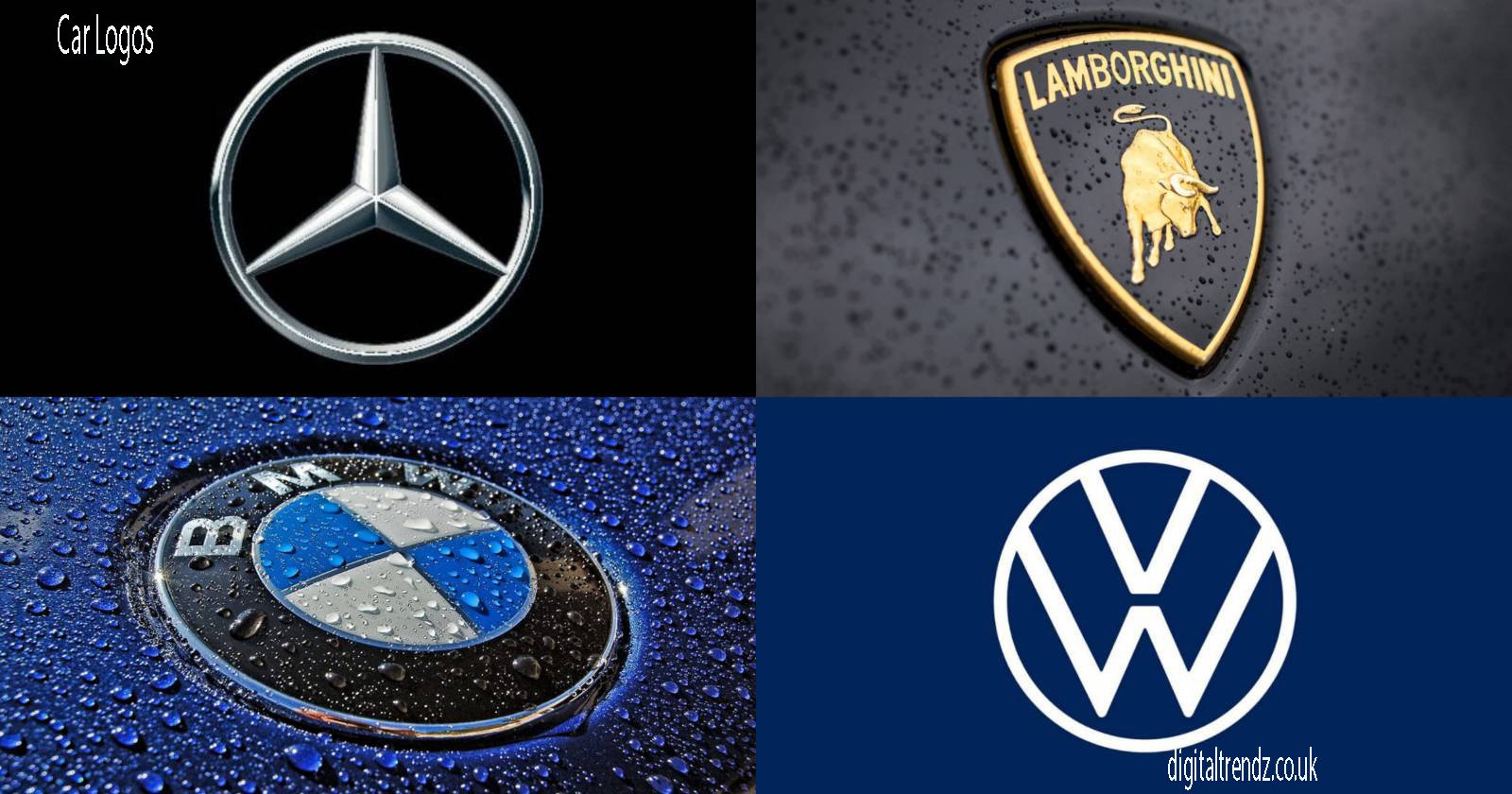
Car logos are more than just visual symbols placed on the front of vehicles. They represent brand identity, history, innovation, and emotional connection. From luxury car manufacturers to mass-market automobile brands, car logos play a vital role in shaping consumer perception and trust.
In today’s competitive automotive industry, branding has become just as important as performance and technology. This is why car logos are designed carefully, often reflecting a company’s values, heritage, and vision for the future.
This comprehensive guide explores the fascinating world of car logos, covering their history, meaning, design elements, famous examples, and the role they play in modern marketing. Whether you are a car enthusiast, designer, or curious learner, this article will give you deep insight into the power of automotive branding.
What Are Car Logos?
are visual marks, symbols, or emblems that represent automobile manufacturers. They usually appear on the front grille, steering wheel, wheels, and various parts of a vehicle. These logos act as brand identifiers, making it easy for consumers to recognize different car brands instantly.
The design of typically includes symbols, letters, shapes, or animals, each chosen carefully to convey a message. Some logos reflect strength, luxury, speed, or innovation, while others symbolize heritage, engineering excellence, or national pride.
In essence, function as a bridge between a brand and its audience, creating recognition, trust, and emotional connection.
The History of Car Logos
The history of dates back to the late 19th and early 20th centuries when the automotive industry was in its infancy. During this period, automobile manufacturers began creating unique symbols to differentiate their products in a growing market.
Early were often simple and included initials, coats of arms, or symbolic imagery. Over time, these logos evolved to reflect technological advancement, modern design trends, and brand repositioning.
For example, many classic featured intricate details, while modern logos tend to be minimalistic, clean, and adaptable to digital platforms. This evolution shows how branding strategies have changed in response to market demands and design trends.
Why Car Logos Are Important for Branding
play a critical role in brand identity and marketing. They help consumers instantly recognize a brand and associate it with specific qualities such as luxury, reliability, performance, or affordability.
Key reasons why car logos matter include:
- Brand recognition: A well-designed logo allows instant identification.
- Trust building: Familiar logos create a sense of reliability.
- Emotional connection: Logos evoke emotions and brand loyalty.
- Market differentiation: Unique designs help brands stand out.
- Visual consistency: Logos ensure a consistent brand image across platforms.
Without strong , manufacturers would struggle to establish a lasting presence in a highly competitive market.
Evolution of Car Logos Over Time
The evolution of reflects changes in design trends, consumer preferences, and technological advancement. In earlier decades, logos were highly detailed, often incorporating complex shapes, typography, and symbols.
However, modern branding emphasizes simplicity, scalability, and digital adaptability. As a result, many manufacturers have redesigned their logos to appear flatter, cleaner, and more minimalistic.
This shift allows logos to look appealing on digital screens, mobile apps, dashboards, and marketing materials. It also ensures clarity and legibility at different sizes and resolutions.
Types of Car Logos and Their Meanings
can be categorized based on their design elements and symbolic meanings. Understanding these categories helps decode the messages behind various automotive brands.
1. Symbol-Based Car Logos
These logos use symbols such as animals, objects, or abstract shapes to represent brand values. For example, animals often symbolize power, speed, or elegance.
2. Letter-Based Car Logos
Some manufacturers use initials or full brand names as their logos. These designs emphasize brand identity and clarity.
3. Emblem-Style Car Logos
These logos resemble badges or shields, conveying heritage, tradition, and authority.
4. Abstract Car Logos
Abstract designs rely on geometric shapes and creative forms to express innovation and modernity.
Each type serves a specific branding purpose, contributing to a brand’s overall identity.
Famous Car Logos and Their Symbolism
Many have deep meanings rooted in history, culture, and engineering philosophy. These symbols often tell compelling stories that enhance brand appeal.
Some represent national heritage, while others reflect technical excellence or visionary ideals. Understanding the symbolism behind famous provides insight into how branding shapes consumer perception.
Design Elements in Car Logos
Designing effective requires careful consideration of multiple elements, including color, shape, typography, and symbolism.
Color Psychology in Car Logos
Colors play a powerful role in influencing emotions and perceptions.
- Black: Luxury, sophistication, power
- Silver: Innovation, modernity, technology
- Red: Passion, speed, excitement
- Blue: Trust, reliability, professionalism
- Gold: Prestige, success, elegance
Manufacturers carefully select color schemes to align with brand identity and customer expectations.
Shape and Structure in Car Logos
The shape of also carries symbolic meaning:
- Circular shapes: Unity, continuity, motion
- Shield shapes: Strength, protection, heritage
- Angular designs: Innovation, speed, precision
These shapes help reinforce the brand message visually.
Typography in Car Logos
Typography plays a critical role in car logos, especially for brands that use wordmarks or initials. Fonts can convey:
- Luxury and elegance through serif styles
- Modernity and innovation through sans-serif fonts
- Strength and durability through bold typefaces
The choice of typography significantly impacts brand perception.
How Car Logos Influence Buying Decisions
Car logos have a powerful psychological impact on consumers. When buyers see a familiar logo, they instantly associate it with previous experiences, reputation, and brand values.
A strong logo can:
- Increase perceived quality
- Enhance brand trust
- Influence emotional appeal
- Encourage brand loyalty
In many cases, consumers develop emotional attachments to specific brands, making a critical factor in purchasing decisions.
Cultural Influence on Car Logos
Culture plays a significant role in shaping . Many brands incorporate national symbols, historical references, or cultural motifs into their designs.
For example, European car manufacturers often highlight craftsmanship and heritage, while Japanese brands focus on innovation, simplicity, and reliability. American car logos frequently emphasize strength, performance, and freedom.
This cultural influence helps brands connect with both local and global audiences.
Modern Trends in Car Logos
In recent years, car logos have undergone significant transformations to align with modern branding trends.
Minimalism
Brands are simplifying logos to ensure clarity and adaptability across digital platforms.
Flat Design
Three-dimensional effects are being replaced with flat designs for better digital display.
Responsive Logos
Logos are now designed to adjust dynamically across screens, apps, and interfaces.
Sustainability Messaging
Some manufacturers incorporate eco-friendly themes to reflect commitment to sustainability.
These trends demonstrate how evolve to meet changing consumer expectations.
Digital Transformation and Car Logos
With the rise of electric vehicles, connected cars, and digital dashboards, must function seamlessly across digital environments. This has influenced logo design strategies significantly.
Digital adaptability ensures:
- Clear visibility on screens
- Scalable design for mobile devices
- Consistent brand identity online
As technology advances, car logos will continue to evolve in form and function.
Redesigning Car Logos: Why Brands Update Their Identity
Many automotive companies periodically redesign their logos to reflect brand evolution, technological innovation, or market repositioning.
Reasons for logo redesign include:
- Modernizing brand image
- Aligning with digital branding
- Attracting younger audiences
- Reflecting sustainability goals
While redesigns can be controversial, they often help brands stay relevant and competitive.
The Role of Car Logos in Motorsport and Performance Branding
In motorsport, car logos represent performance, engineering excellence, and competitive spirit. Racing teams rely heavily on branding to establish identity and attract sponsorship.
Logos displayed prominently on race cars, driver suits, and promotional materials enhance brand exposure and global recognition.
Motorsport success often elevates brand reputation, reinforcing the symbolic power of car logos.
Luxury vs Economy Car Logos: Key Differences
Luxury focus on elegance, exclusivity, and sophistication. They often feature metallic finishes, intricate designs, and premium aesthetics.
In contrast, economy prioritize simplicity, affordability, and reliability. These designs are usually straightforward, emphasizing accessibility and practicality.
This contrast highlights how branding strategies differ based on target markets and customer expectations.
Car Logos and Brand Loyalty
Brand loyalty in the automotive industry is heavily influenced by emotional connections formed through branding. serve as visual anchors for these emotions.
When consumers associate positive experiences with a brand, the logo becomes a symbol of trust and satisfaction. This emotional bond encourages repeat purchases and long-term loyalty.
The Psychology Behind Car Logos
Psychology plays a major role in how people perceive . Shapes, colors, and symbols trigger subconscious reactions that influence opinions and preferences.
For instance:
- Rounded shapes evoke friendliness
- Sharp angles suggest speed and aggression
- Symmetry creates harmony and balance
Understanding these psychological principles allows designers to create impactful and persuasive logos.
Global Recognition of Car Logos
Some enjoy worldwide recognition, transcending language and cultural barriers. These logos have achieved iconic status through consistent branding, quality products, and global marketing efforts.
Global recognition enhances brand credibility and market presence, contributing to long-term success.
Sustainability and Future Trends in Car Logos
As sustainability becomes a priority, may evolve to reflect eco-conscious values. Many brands are embracing green color palettes, minimalist designs, and nature-inspired symbols.
Future trends may include:
- Dynamic digital logos
- Animated branding for dashboards
- Interactive visual identities
These innovations will redefine how interact with consumers in an increasingly digital world.
How Designers Create Effective Car Logos
Creating effective involves a structured design process:
- Market research
- Brand identity analysis
- Concept development
- Sketching and prototyping
- Digital refinement
- User testing
This systematic approach ensures logos align with brand goals and resonate with target audiences
Car Logos in Advertising and Marketing Campaigns
are central to automotive marketing strategies. They appear in advertisements, sponsorships, social media, events, and merchandise.
Consistent logo usage strengthens brand recall and reinforces identity across all marketing channels.
The Future of Car Logos in Autonomous and Electric Vehicles
As autonomous and electric vehicles reshape transportation, will play a new role in user experience. Digital interfaces, smart dashboards, and connected systems require adaptable logo designs.
Future will likely become more interactive, dynamic, and integrated into digital ecosystems.
Final Thoughts on Car Logos
Car logos are powerful symbols that combine design, psychology, culture, and technology. They shape brand identity, influence consumer behavior, and represent decades of innovation and heritage.
From classic emblems to modern minimalist designs, continue to evolve alongside the automotive industry. Their impact extends beyond aesthetics, playing a vital role in branding, marketing, and emotional connection.
